This year's Chelsea Flower Show: gardens, style and the British social season
May 23, 2026
The Chelsea Flower Show 2026 deserves to be seen as more than just a prestigious exhibition of the Royal Horticultural Society (RHS). It is one of the pillars of English garden culture, an event that indicates both the direction of green design and a shift in thinking about luxury. In this sense, the Chelsea – like a barometer – reveals the trends governing high-end garden design and the ideological currents shaping garden architecture in the coming era. (RHS)
It is also a key part of the British social season. In 2026, the exhibition took place from May 19th to 23rd at the Royal Hospital Chelsea, on the banks of the Thames, with the first two days reserved for RHS members. The presence of the British Royal Couple at the opening confirmed once again that this is not just an industry event, but an event of special social importance.
What is the Chelsea Flower Show and why does it matter?
The Chelsea Flower Show is one of the most important events in English gardening culture. Its significance lies not in the prestige of the Royal Horticultural Society itself, but rather in the way it constructs a narrative around the garden, its real impact on the language of the industry, the selection of plants, and the relationship between aesthetics and functionality. The RHS reminds us that the show has been held at the Royal Hospital Chelsea since 1913, with interruptions during both World Wars and in 2020.
This continuity is important. Chelsea isn't a museum of past forms, but a place that annually gathers and organizes current themes in the world of horticulture. In 2026, these were primarily biodiversity, the protection of natural spaces, climate resilience, water management, and crafts. In official materials before the opening, the RHS wrote about gardens focused on supporting local fauna, sensitive regenerative spaces, and structures based on more sustainable materials.
Royal patronage remains a key part of the event's identity. The official royal website reported that King Charles III and Queen Camilla visited Chelsea on May 19th, along with other family members, with the first stop being The RHS and The King's Foundation Curious Garden.
What was the theme of the 2026 Chelsea Flower Show?
The 2026 Chelsea Flower Show didn't have a single, official theme. Rather, there were several dominant themes that ran through the RHS program and communications, and were also reflected in the awards. These included biodiversity, habitat conservation, horticultural education, drought- and weather-resistant design, and the garden as a space for health and regeneration.
The most visible symbol of the 2026 edition was The RHS and The King's Foundation Curious Garden, designed by Frances Tophill. The RHS described it as a garden designed to spark curiosity about gardening and demonstrate how plants impact the health of people, places, and the planet. Sir David Beckham and Alan Titchmarsh, a hallmark of British gardening, were also involved in the project, and the concept itself combined gardening with education, craftsmanship, and work with the younger generation. One of the most commented-on elements was an oak structure serving as a "cabinet of curiosities" and seven raised beds, a nod to Beckham's number 7.
On this occasion, it is worth mentioning that at this year's exhibition a rose named after the famous football player had its premiere.
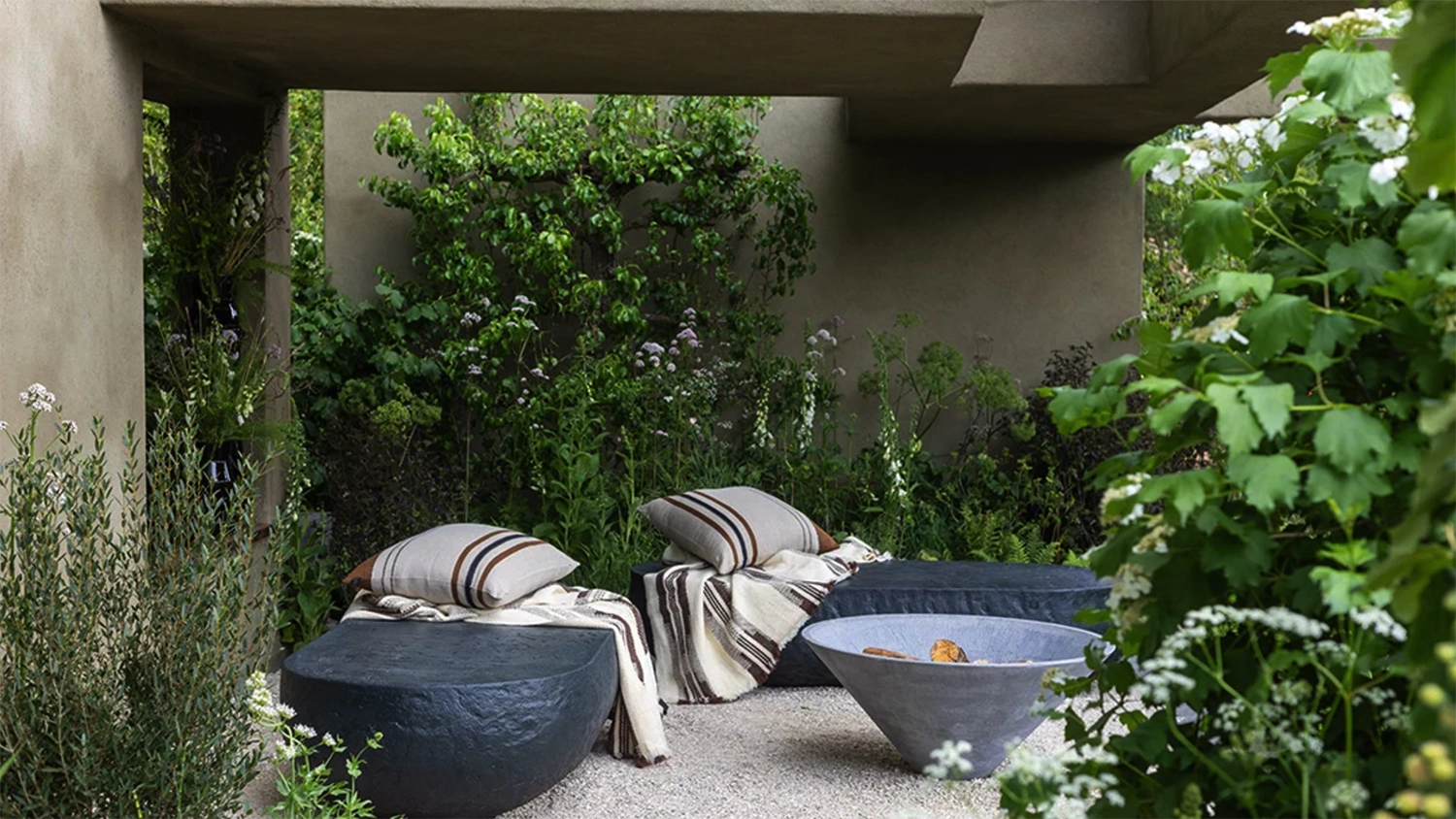
Looking at the award-winning gardens, it's easy to see that the 2026 season is moving away from decorative formalism in favor of a more complex and mindful garden. The Killik & Co 'A Seed in Time' Garden combined a family-friendly atmosphere with water retention, a wetland habitat, and traditional straw and reed construction techniques. The Woodland Trust: Forgotten Forests Garden spoke about the regeneration of ancient woodlands and restoring light, which allows native species to return. The Lady Garden Foundation 'Silent No More' Garden, in turn, demonstrated that gardens can also be a tool for conversations about health.
Which gardens and awards performed best at the 2026 Chelsea Flower Show?
The strongest signal came from Sarah Eberle. CPRE's On the Edge won the 2026 Garden of the Year Award in the Show Gardens category and a gold medal. CPRE and the RHS emphasized that the project addressed areas on the outskirts of cities and villages—landscapes often overlooked, yet crucial for ecological resilience and everyday contact with nature. This captures the spirit of this edition: less showy decorativeness, more reflection on the landscape and its real tensions.
In the Best All About Plants Garden category, the winner was Woodland Trust: Forgotten Forests Garden by Ashleigh Aylett. This is an important distinction, as it is not the same as Plant of the Year. The All About Plants award is for a garden built primarily around plants and their composition. In this case, the project aimed to demonstrate how a dark, homogeneous conifer plantation can be transformed into a vibrant, layered forest with greater biodiversity.
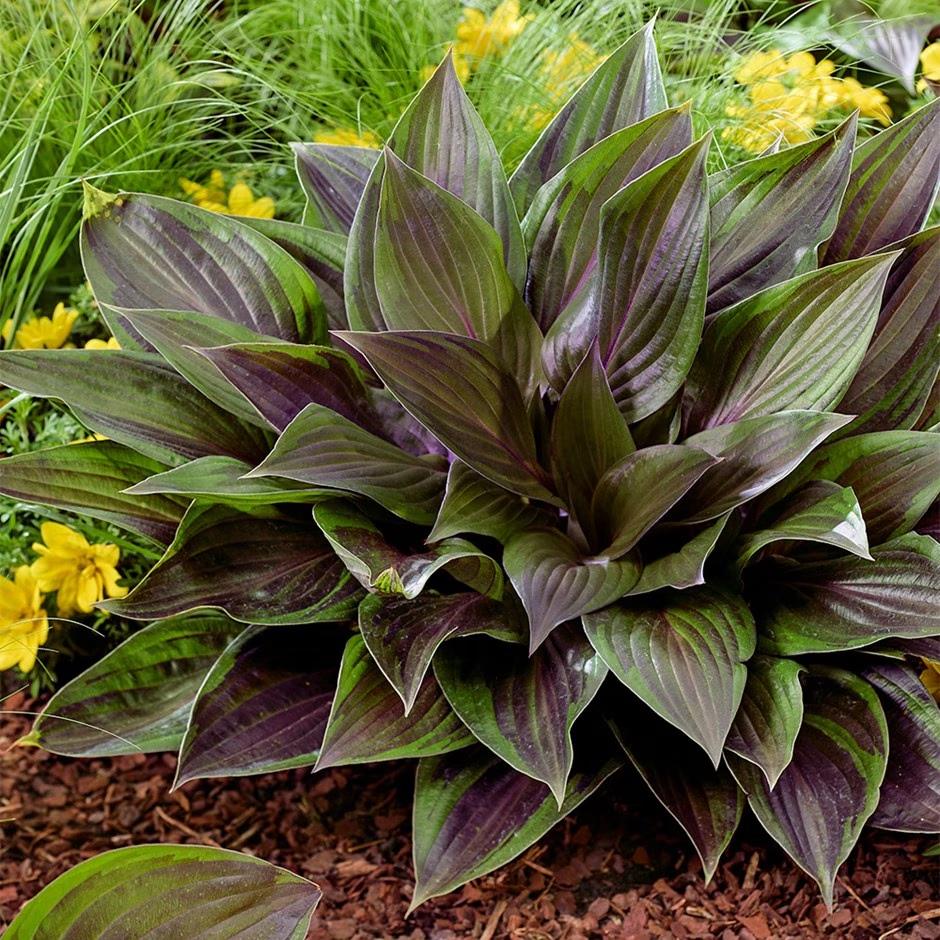
The 2026 Plant of the Year award went to Hosta RED NINJA (Nk2021). This award carries a different weight than the garden awards, but it demonstrates that Chelsea remains a place where gardeners and nurseries seek out new varieties with a distinct collectible identity.
Also worth noting were Darren Hawkes' Lady Garden Foundation's Silent No More , which won a gold medal and the Best Construction Award, and Baz Grainger's The Killik & Co. A Seed in Time Garden, which also won a gold medal. The RHS also reported that 61 gold medals were awarded in the Great Pavilion, with Best Exhibit going to Leon Kluge Garden Design for The Flora of South Africa. The Environmental Innovation Award went to The Eden Project: Bring Me Sunshine Garden.
What to wear to the Chelsea Flower Show 2026?
The Chelsea Flower Show is also a unique social occasion. It's best to dress elegantly but practically. It's a prestigious event, but not as formal as Royal Ascot. The safest answer is: smart casual, both daytime and outdoor. Reputable sources emphasize that guests typically dress more carefully for a social gathering, but layers, comfortable footwear, and preparation for London's fickle weather remain crucial.
For women, this usually means a midi dress, a light suit, or a skirt with a jacket, preferably in fabrics that work well in May: linen, cotton, lightweight wool, or with silk detailing. The regular pastels, creams, greens, and floral patterns aren't mandatory. Practical freedom of movement and footwear suitable for grass and gravel are more important than the eye-catching styling itself.
For men, a light blazer, chinos or well-tailored trousers, a casual shirt, and comfortable loafers or light brogues work well. Chelsea has its own code: less stiffness than at strictly formal events, but more attention to detail than at a typical outdoor event.
What hat to wear to the Chelsea Flower Show?
A hat at Chelsea is a style statement, not a requirement. This is an important distinction. Unlike Royal Ascot, there are no strict rules regarding headwear. It's best to think of a hat as part of your daytime outfit: it should complement the garden theme of the event and be useful in sunshine or light rain.
Panama hats, straw hats, soft brims, light natural braided shapes, and subtle fascinators are the top choices. This year's street style photos from Chelsea confirm that light, practical, and everyday interpretations of elegance dominated, rather than the theatrical designs known from Ascot.
What to avoid? Above all, overdo it. Overly heavy headgear, extremely high heels, or outfits that look like costumes usually don't fit the rhythm of a day spent outdoors on the banks of the Thames. Chelsea rewards moderation and a sense of humor.
Chelsea Flower Show as part of the British social season
The social aspect is not an afterthought. The Chelsea Flower Show is significant because it brings together garden culture, royal patronage, media, sponsors, designers, nurserymen, and a lifestyle audience in one place. That's why coverage of the event often features the gardens as much as the people passing through them.
In 2026, a shift in the concept of luxury was also evident. A high-class garden no longer simply means expensive furnishings. It increasingly signifies expertise, reduced resource consumption, improved water management, greater attention to habitats, and craftsmanship that isn't merely decorative but part of the design's essence. This is precisely why Chelsea remains relevant to the premium reader: it demonstrates that prestige in the garden is increasingly based on moderation and competence, not excess.
In short:
- The Chelsea Flower Show 2026 was one of the most important events in English garden culture and a highlight of the British social season.
- The 2026 edition did not have a single official slogan; biodiversity, climate resilience, horticultural education and responsible design dominated.
- Garden of the Year went to CPRE: On the Edge by Sarah Eberle.
- Best All About Plants Garden went to Woodland Trust: Forgotten Forests Garden by Ashleigh Aylett.
- Plant of the Year 2026 was Hosta RED NINJA (Nk2021).
- For Chelsea, it's best to dress smart casual: elegant but practical.
- A hat is a welcome element of style, but not a formal requirement.
The 2026 Chelsea Flower Show demonstrated that contemporary garden culture in England is no longer based solely on aesthetics. Knowledge, ecology, craftsmanship, and the social significance of greenery are equally important. Therefore, Chelsea remains both an exhibition, a trend barometer, and a part of the British seasonal ritual.
Want to stay up-to-date on the most important events of the British season, luxury lifestyle, and garden culture? Sign up for the Luxury Boutique Magazine newsletter and receive a selection of premium analyses.
Sources: