
The world of private jets in Europe: how much does a private flight cost and what is the market like?
May 29, 2026
A private jet is like a perfectly tailored suit. It doesn't flaunt logos, but rather provides a sense of absolute fit.
In a world where the greatest luxury is control over one's own calendar, business aviation is no longer an extravagance, but a tool for managing one's life. In Poland, this market is maturing faster than one might think. Private flights are increasingly becoming a part of the lifestyle of executives and their families, a quiet yet remarkably effective element of daily mobility.
Significantly, Poland is currently the fourteenth-largest business aviation in Europe in terms of the number of operations. This position demonstrates the scale of its potential, especially in the context of the growing number of affluent individuals and dynamically developing companies with an international reach.
The mechanics of luxury in practice
The charter market in Poland is growing steadily. Private flights can be booked through specialized brokers who aggregate offers from operators across Europe and negotiate terms on the client's behalf. Active air charter companies on the Polish market include Mocca Jet, Call&Fly, Jet Partner, and BigDeal Jet.
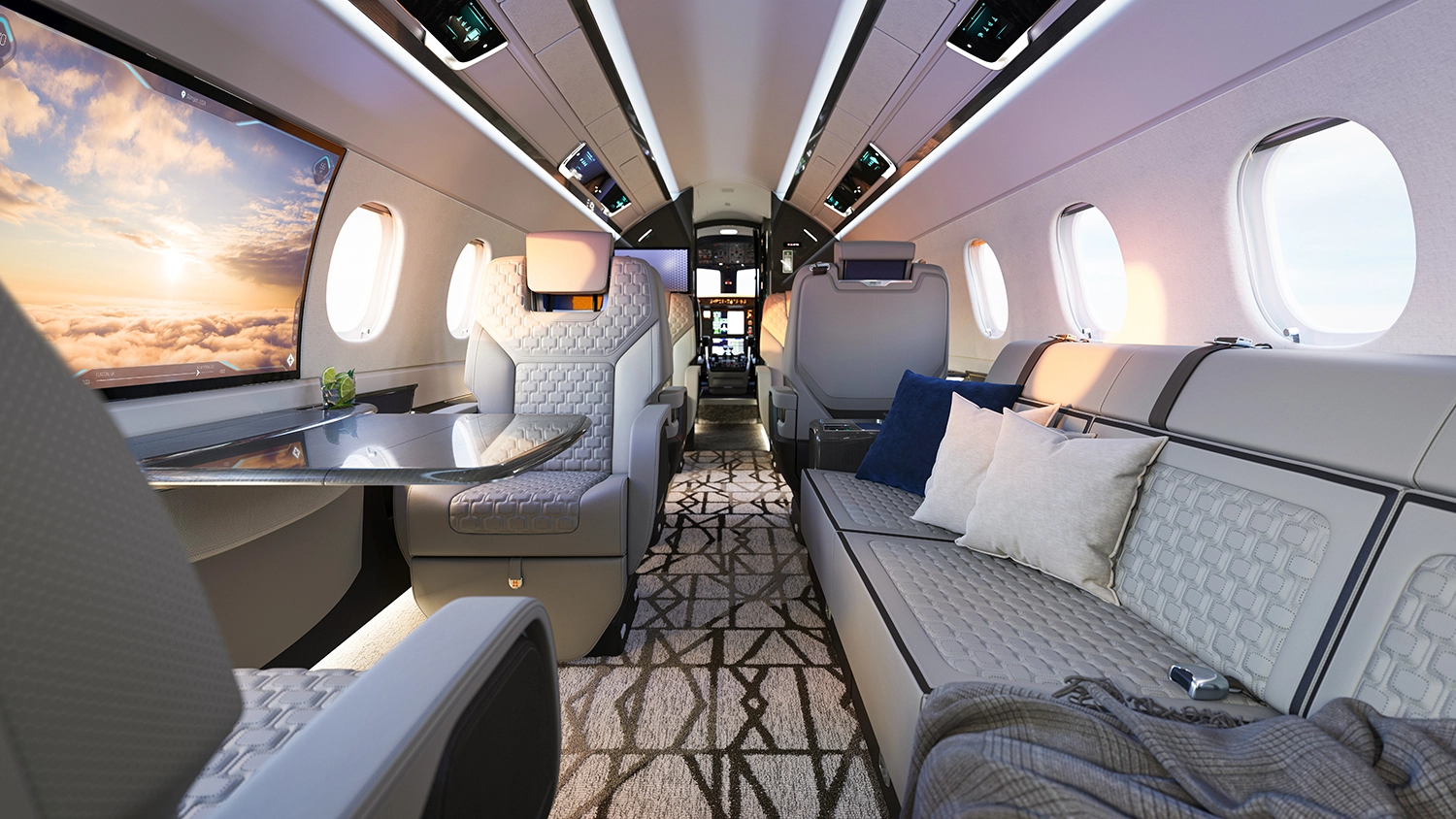
The cooperation model is transparent: the client specifies the route, date, and comfort preferences, and the broker prepares a list of available aircraft along with a cost estimate. Departures take place from the General Aviation terminal. Warsaw Chopin Airport also has a separate, luxurious VIP Line area, which also serves business aviation. Check-in takes just a few minutes, and the airport car often arrives directly at the aircraft steps. The entire process is designed with privacy in mind, eliminating queues and wasting time.
"For many of our clients, a private flight isn't a destination in itself, but one precisely tailored piece of a larger puzzle. The plane is just the beginning; behind the scenes, a whole synchronized mechanism operates: a private chauffeur waiting at the designated address, a carefully selected hotel, catering tailored to the passenger's preferences, often taking into account very specific dietary requirements. You could say that a private trip works like a Swiss watch; each component must function perfectly, but at the same time, the whole must respond to the slightest change in rhythm," emphasizes Marlena Wróbel, broker and owner of Mocca Jet.
Where does the Polish passenger fly?
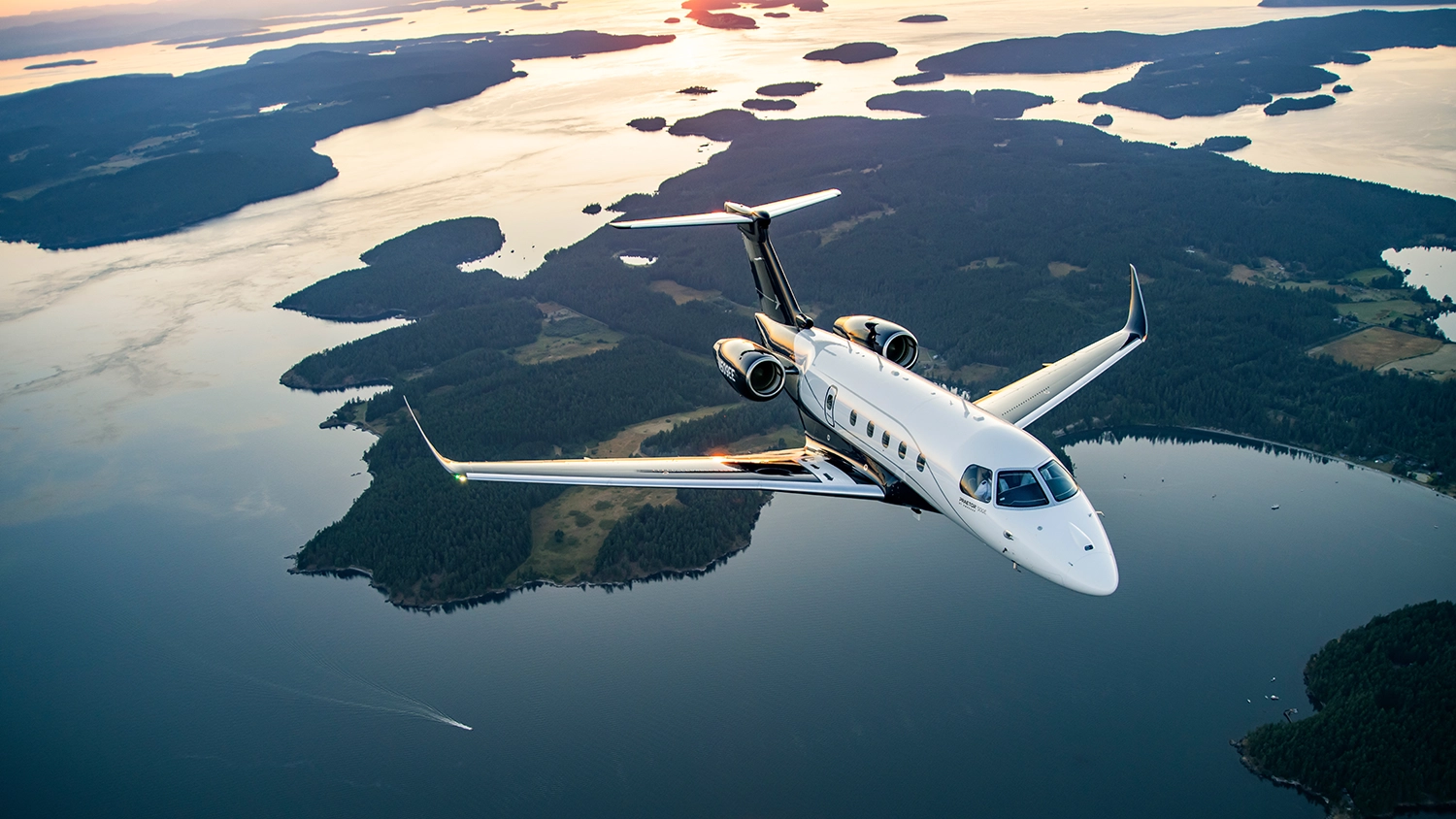
The highest business aviation traffic in Poland is concentrated around Warsaw, Krakow, and Katowice, but Gdansk and Wroclaw also play significant roles. It is estimated that Polish airports host approximately 2,000 business aviation operations per month, especially during the spring and summer seasons, and annually, this translates to over 20,000 takeoffs and landings combined. Warsaw Chopin Airport accounts for the largest share, but regional airports, which offer less congestion, are rapidly growing in importance.
Destinations? London, Paris, Zurich, Berlin, and Frankfurt—the financial heartlands of Europe—dominate business traffic. During the summer season, traffic to Nice, Milan, Barcelona, and Ibiza increases significantly. In winter, smaller Alpine airports serving ski resorts, such as St. Moritz and Sion in Switzerland, are popular. These trends are confirmed by Bartłomiej Walas, a pilot and CEO of the airline Bartolini Air.
"Morocco is becoming a growing destination for those seeking sun in autumn or winter. The country is very friendly and has quite decent infrastructure, even for a demanding, wealthy clientele, beautiful views, excellent cuisine, exotic culture, and mild weather, which we often miss in winter. And it's not much further than southern Spain," argues Bartłomiej Walas.
Intercontinental flights to Dubai or New York are becoming more frequent, using larger, long-range aircraft such as the Gulfstream G550.
How much does time cost?
The cost of a charter depends on the distance, aircraft type, season, and aircraft availability in a given region of Europe. A round-trip flight from Warsaw to Paris for two people in a light jet costs around €15,000–25,000. A route from Krakow to London in a mid-size jet can cost between €20,000 and €35,000. During the summer season, a flight to Ibiza in a larger aircraft for 8–10 people can reach €35,000–50,000.
Hourly rates start at around €1,900 for small turboprops and exceed €8,000 for large intercontinental jets. For many customers, however, the key factor isn't how much an hour of flight costs, but how many hours of life it can give them back by avoiding transfers, queues, and network constraints.
The most popular planes in Europe
For the shortest European routes, a turboprop aircraft such as the Pilatus PC-12 can be a very efficient solution. This design offers great operational flexibility, the ability to operate from short runways and less congested regional airports, and relatively low fuel consumption.
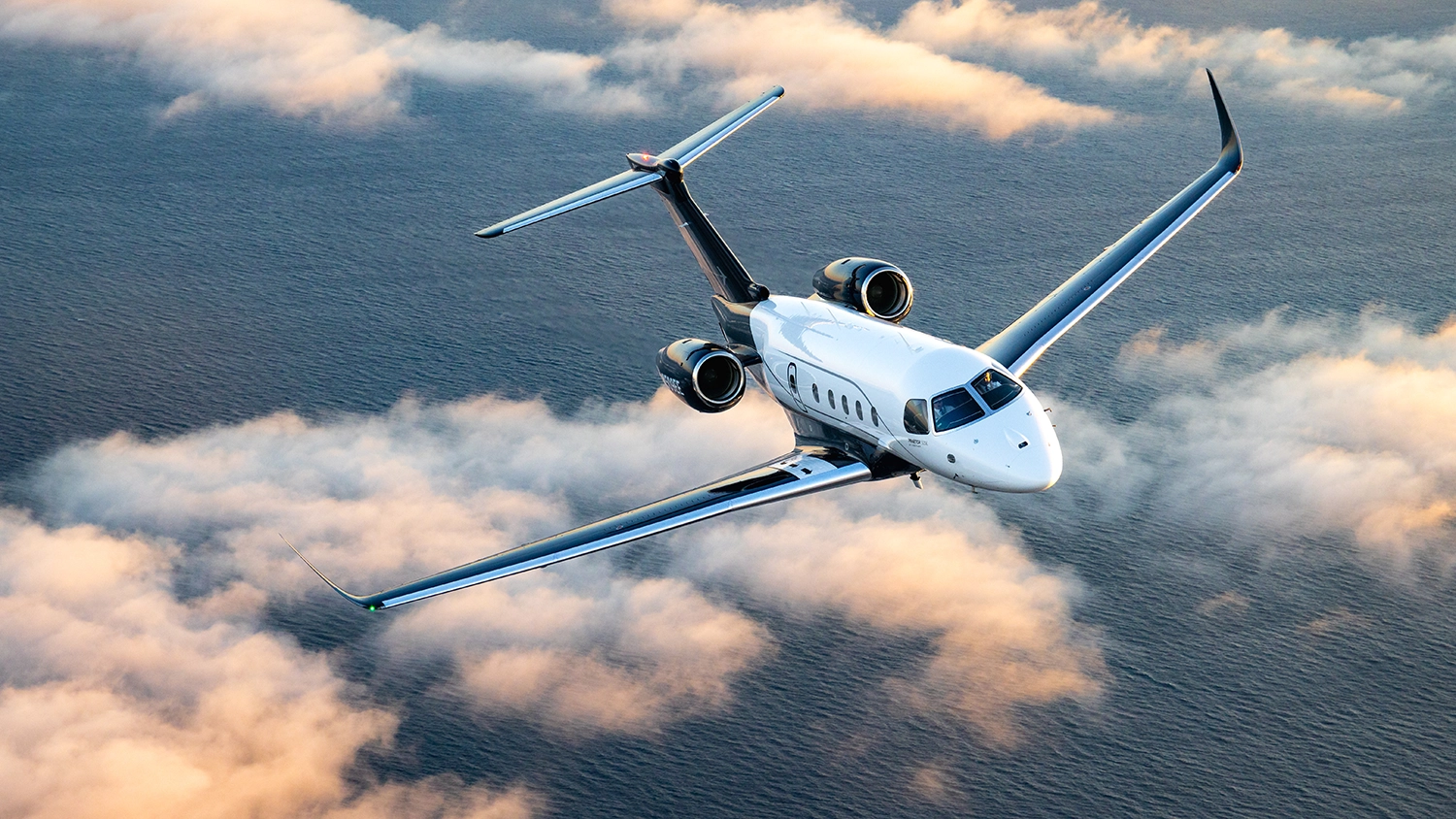
European routes are dominated by ultralight, light, and midsize jets. The Cessna Citation XLS+ is considered one of the most versatile designs in its class. This aircraft combines cost-effectiveness with a comfortable cabin for 6-8 passengers.
The Embraer Phenom 300 has long maintained its position as a sales leader in the light jet category. This model has gained popularity thanks to its modern avionics, high cruise speed, and a cabin designed with great attention to ergonomics and design.
Other popular models seen in European skies include the Bombardier Challenger 350, Cessna Citation CJ2, Dassault Falcon 2000 and Embraer Legacy 500.
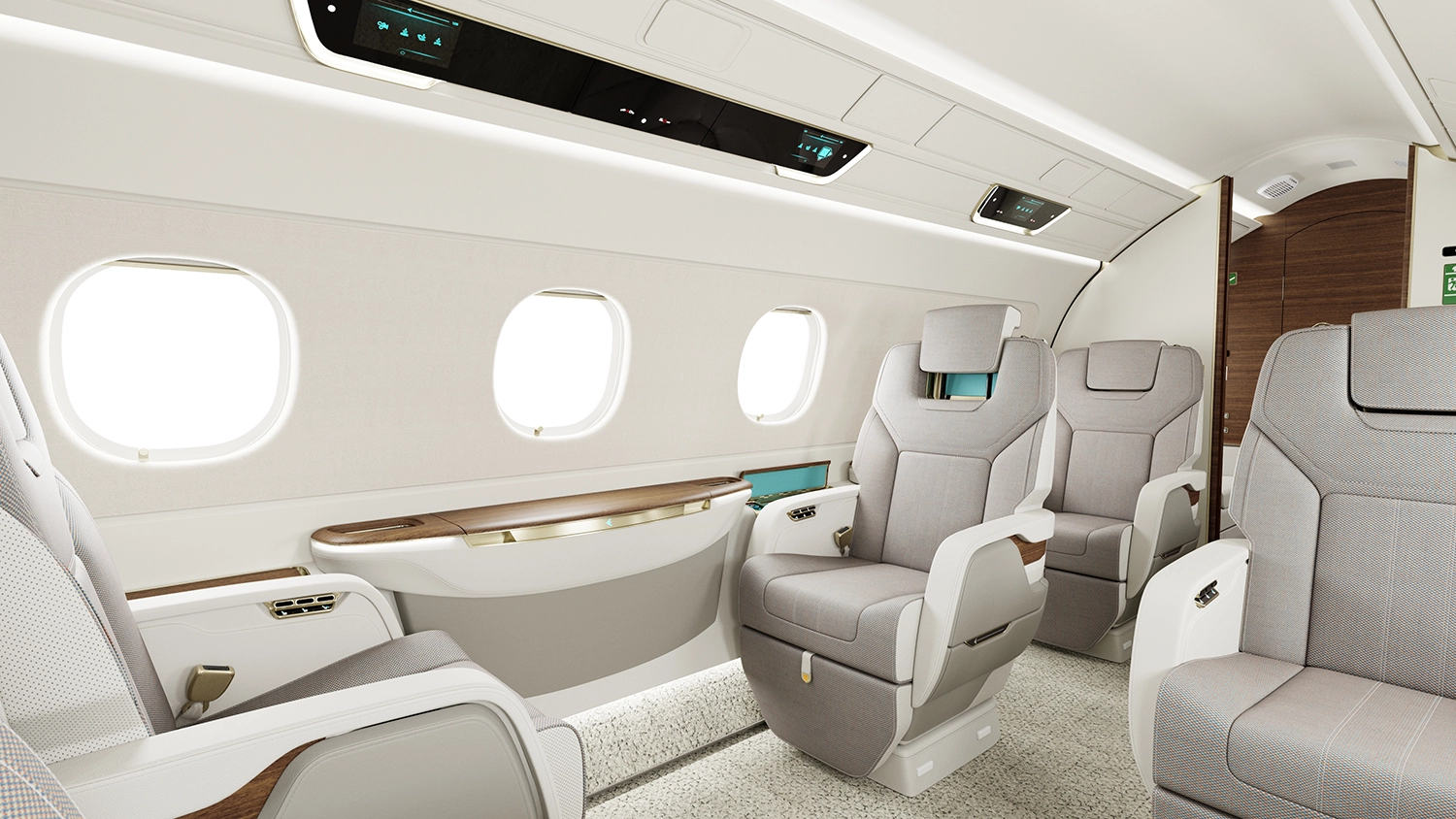
In the long-haul category, the Bombardier Global 6000, Dassault Falcon 7X, and Gulfstream G650ER, among others, hold a strong position. These aircraft are capable of nonstop intercontinental flights. Their cabins are often divided into several functional areas, including a workspace, a conference lounge, and a relaxation area with full-size seats or sleeping berths.
Trends: Personalization, Technology, and Responsibility
The business aviation market in 2026 is clearly shifting towards a personalized travel experience. Customers today expect customization not only for the aircraft type but also for the entire travel experience – from a dedicated onboard menu, through a selection of premium wines and spirits, to a cabin arrangement tailored to the nature of the trip. Family trips are increasingly featuring child-friendly features, while high-speed internet access, enabling in-flight conferences, is becoming standard for business travel.
At the same time, the importance of modern on-board technologies, such as individually controlled lighting and television viewing, is growing. These are no longer optional extras but are becoming a fundamental standard in modern business aircraft, especially long-haul aircraft.
Sustainability is clearly gaining importance in charter decisions. Operators are increasingly offering the option of using sustainable aviation fuel (SAF). For some clients, reporting air travel emissions is becoming an element of their ESG policies.
Conscious choice
Business aviation in Poland is currently entering a phase of dynamic development. Just a dozen or so years ago, it was a niche perceived primarily through the prism of luxury. Today, it is increasingly being treated as a tool for increasing time management efficiency and business mobility.
Flying privately is no longer just a status symbol, but has become a vital part of both life and business strategy. In a world where time remains the most valuable currency, such flexibility and independence are invaluable.