
Luxury homes near Warsaw: how much do they cost and who is buying them in 2026?
May 19, 2026
In 2026, a luxury home near Warsaw typically costs between several and a dozen million złoty, and in the best locations, asking prices are significantly above market levels. In practice, the segment is positioned not as a "cheaper alternative to the city," but as an escape to privacy, greenery, and quality of life within close proximity to the capital's center.
The top locations for luxury real estate near Warsaw are still Konstancin-Jeziorna, which remains the most recognizable residential address in the agglomeration, additionally attracting investors with its status as the only health resort in Masovia, and Józefów, which in turn tempts with its low-rise, villa-like buildings and the predominance of green areas over dense urban development.
The luxury real estate market is small, selective, and relatively resistant to short-term mood swings. Therefore, it's worth considering not only price but also who's buying, what they expect, and what features of the home truly justify its premium status.
Current prices for premium properties
A luxury home near Warsaw in 2026 will cost from around PLN 3 million to over PLN 10 million, with the highest prices being achieved by large residences in Konstancin-Jeziorna and similar locations with limited supply.
Price ranges
Market signals show a wide range of prices. In Konstancin-Jeziorna, in the spring of 2026, offers ranged from around PLN 2.5 million for a new 166 sq m house to PLN 3.1–3.5 million for larger family homes, and even PLN 9.8 million for a villa in the same commune. Premium brokers in Warsaw and its surrounding areas are also offering residences for PLN 12 million, PLN 13 million, PLN 16 million, and even PLN 20 million.
These aren't "average" prices for the entire metropolitan area, but rather real benchmarks for the premium segment. That's why, in this market, the uniqueness of the address, plot, and finishing standard can be more important than the median.
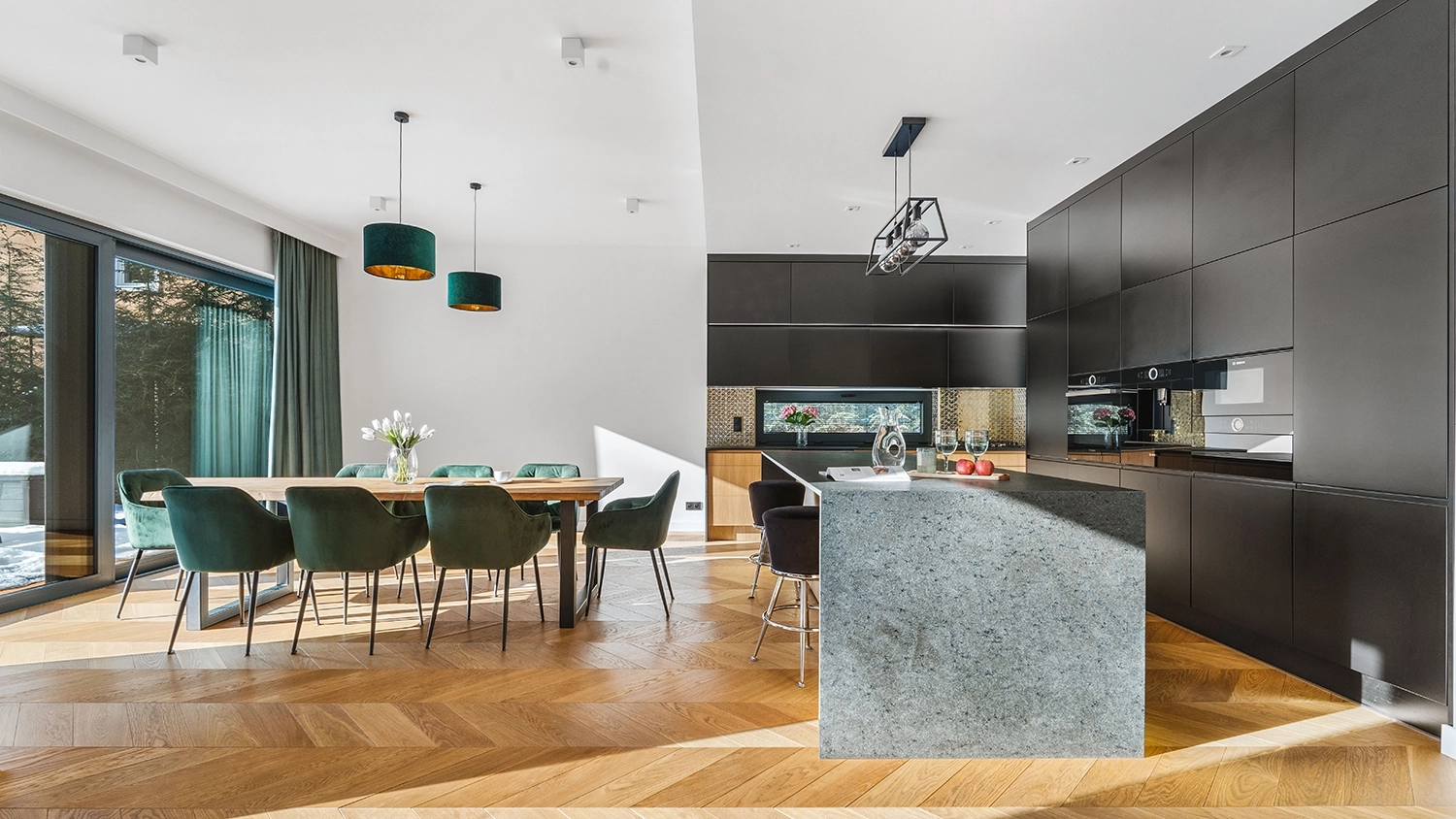
The most expensive locations
Konstancin-Jeziorna remains the most expensive, especially the historic Zone A, associated with a garden city, large plots, and low supply. The local government emphasizes the commune's spa character, while the private market describes Zone A as a green, quiet alternative to Warsaw, relatively close to the capital.
The second most important location is Józefów, located at the confluence of the Świder River with the Vistula River. In practice, buyers choose it not for its institutional prestige, but for its privacy, proximity to a pine forest, the character of the area, and the residential rhythm of its development.
Growth trends
In 2025, the Polish housing market has entered a phase of stabilization rather than rapid growth, but JLL notes that more and more investments are being targeted at affluent buyers with significant savings or strong creditworthiness, and new premium projects are hitting the market with record asking prices. At the same time, negotiation discounts remain limited.
Income levels are also important in the luxury segment. KPMG reports that Poland is home to 545,000 affluent individuals, 90,000 wealthy individuals, and the Masovian Voivodeship alone has the largest number of affluent and high-net-worth taxpayers in the country. This strengthens demand in the Warsaw metropolitan area.
Who are the buyers?
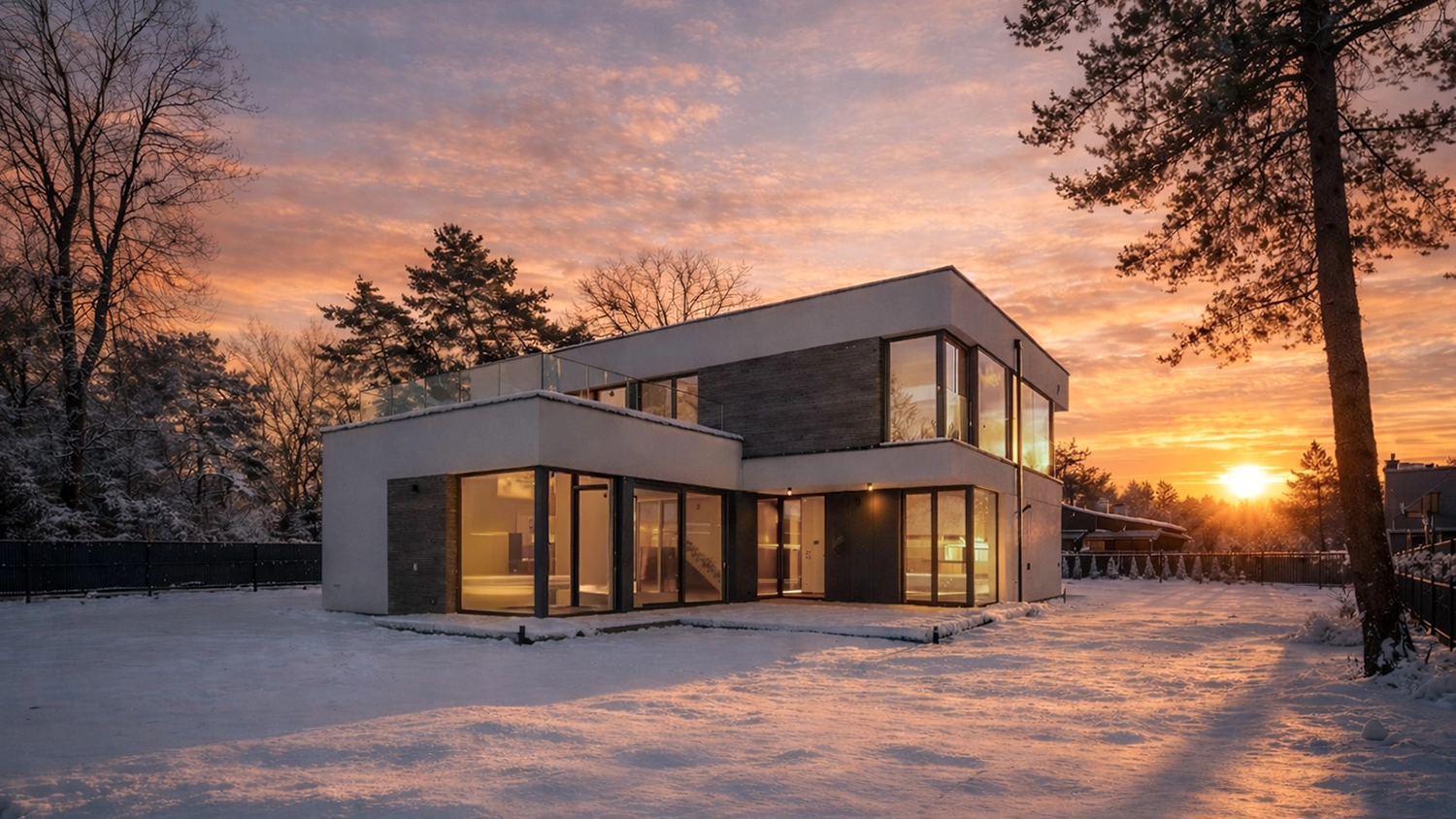
The buyers are primarily wealthy Poles with ties to Warsaw and Masovia, and also foreigners with real ties to Poland or who treat the purchase as a capital investment.
Demographic profile
The demographic profile of a luxury home buyer near Warsaw is best described by income. KPMG classifies the affluent group as those with an annual gross income of PLN 240,000–600,000, the rich group as PLN 600,000–1 million, and the very rich as those earning over PLN 1 million annually. The Masovia region has the strongest representation in Poland here, so it naturally fuels the premium home market near Warsaw.
In practice, this means a buyer who is not looking for their first home, but for a better quality of life or a more permanent way of investing their assets.
Sources of income
Public reports are less likely to highlight buyers' occupations than their financial capacity. It's clear, however, that today's premium segment relies on customers with significant savings, a significant down payment, or a strong creditworthiness. This is a significant difference from the mainstream market, which is more dependent on financing costs.
Therefore, in this part of the market, cash, liquid capital, and asset security are often more important than the level of interest rates themselves. This doesn't eliminate credit, but it does change its role.
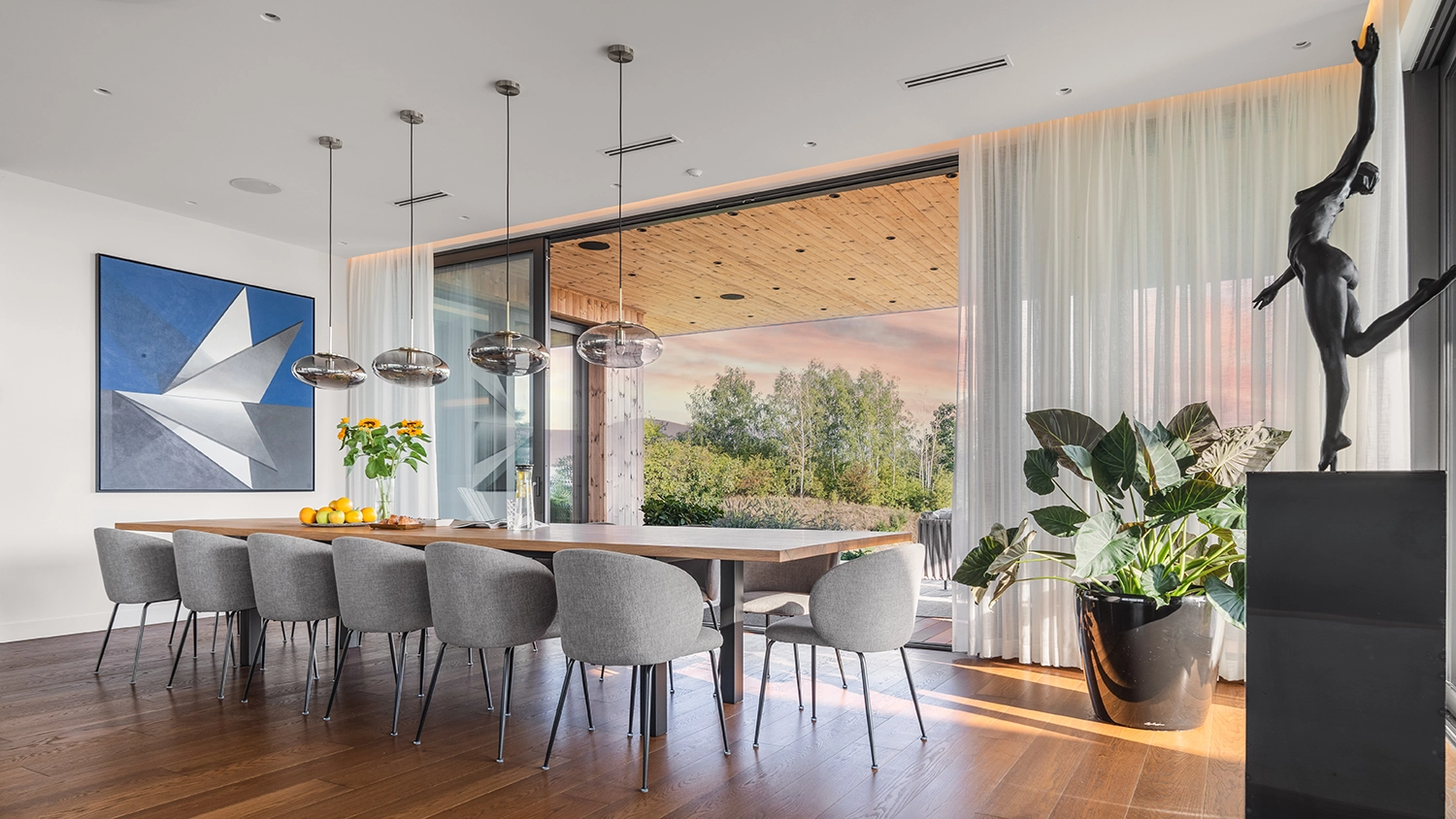
Motivations
The luxury home market is driven by two issues: housing and capital. Buyers want improved living conditions, greater privacy, and access to greenery, but part of the demand is also driven by savings protection and wealth diversification. Market commentary also highlights the return of investment motivation among some foreign buyers.
What standards define luxury?
In 2026, a luxury home near Warsaw will be defined primarily by its address, architecture, technology and the quality of its surroundings, not the size of the building itself.
Architecture
High standards today mean either good contemporary architecture or a reliably preserved residential fabric. Konstancin offers both extremes: from modern villas to historic buildings in Zone A.
Technologie
Technology isn't an add-on, but rather a key element of premium. Buyers expect energy efficiency, home automation, a robust security infrastructure, and solutions that improve everyday comfort. KPMG points out more broadly that luxury buyers increasingly value technologies that enhance the user experience.
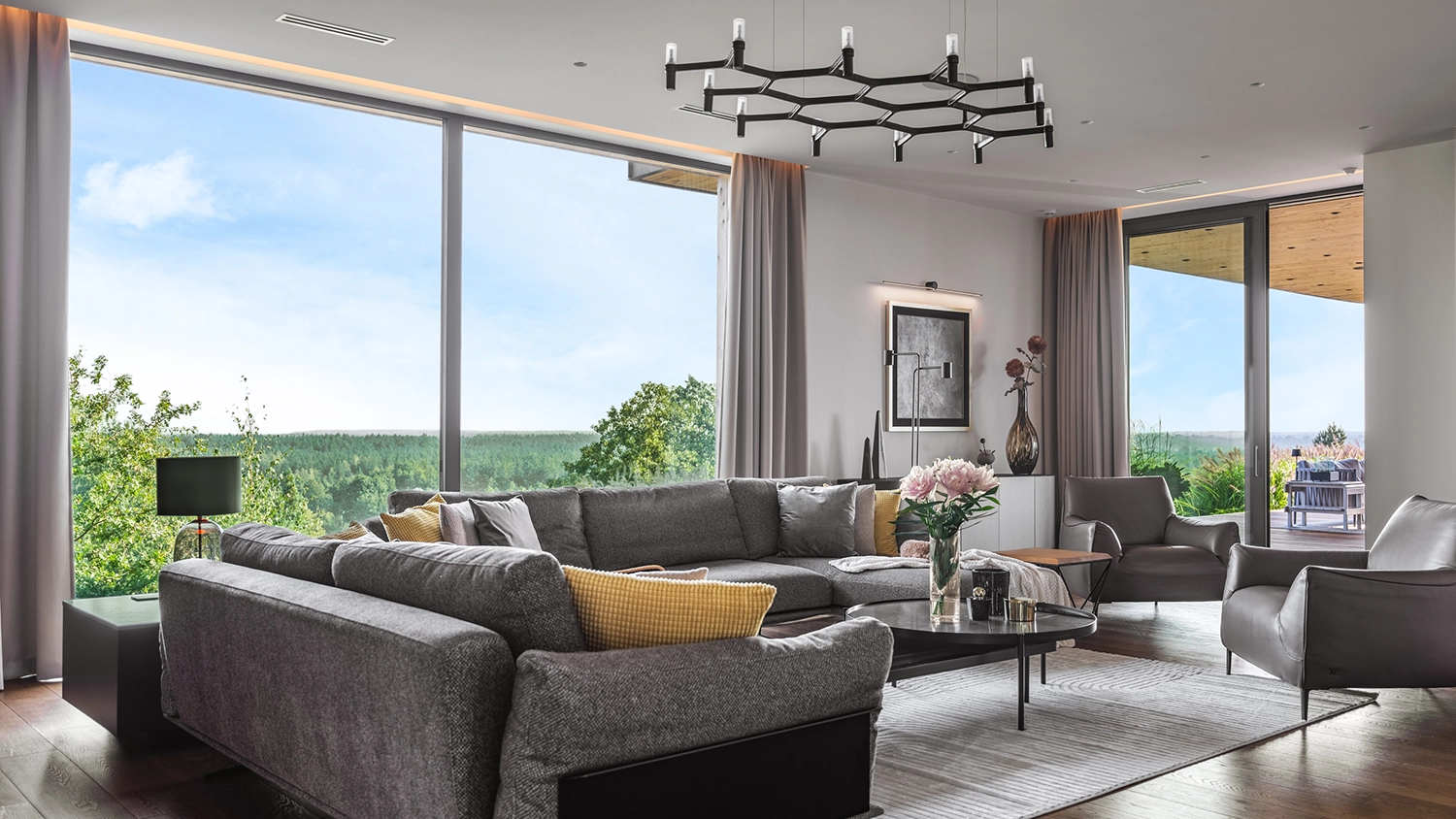
Surroundings
The surroundings remain crucial. Konstancin's spa town, graduation tower, greenery, and larger plots contribute as much to the location's advantage as the building itself. In Józefów, the relationship with the river, forest, and more sparsely developed areas plays a similar role.
In short:
- A luxury house near Warsaw in 2026 usually costs from several to several dozen million zlotys.
- The strongest address remains Konstancin-Jeziorna, especially Zone A.
- Demand is driven mainly by wealthy buyers from Mazovia and some foreign capital associated with Poland.
- In the premium segment, what counts are savings, high financial capacity and low sensitivity to discounts.
- Today, luxury status is determined by the address, plot, architecture, technology and surroundings.
The market for luxury homes near Warsaw in 2026 is more a market of selection than scale: it is not growing due to mass, but due to the concentration of capital, limited supply and the lasting value of prime locations.
Sources:
- Europa Property (EuropaProperty.com)
- Vilea Boutique Property (https://vilea.pl/)
- KPMG (assets.kpmg.com)
- Partners International (Partners International)
- JLL (jll.com)
- Linkleaders (linkleaders.prowly.com)
Related posts:
 The Charms of the Costa del Sol: Marc Pritchard of Taylor Wimpey Espana in Conversation with Luxury Boutique
 CANA: Luxury Outdoor Kitchens that Combine Exceptional Lifestyle, Design, and Quality
 The Power of Boutique Properties: Ueli Schnorf on His Path to Leadership in Swiss Luxury
 The Golden Age of Glass: How Did Transparency Become a Symbol of Strength, Freedom, and Sensuality?