
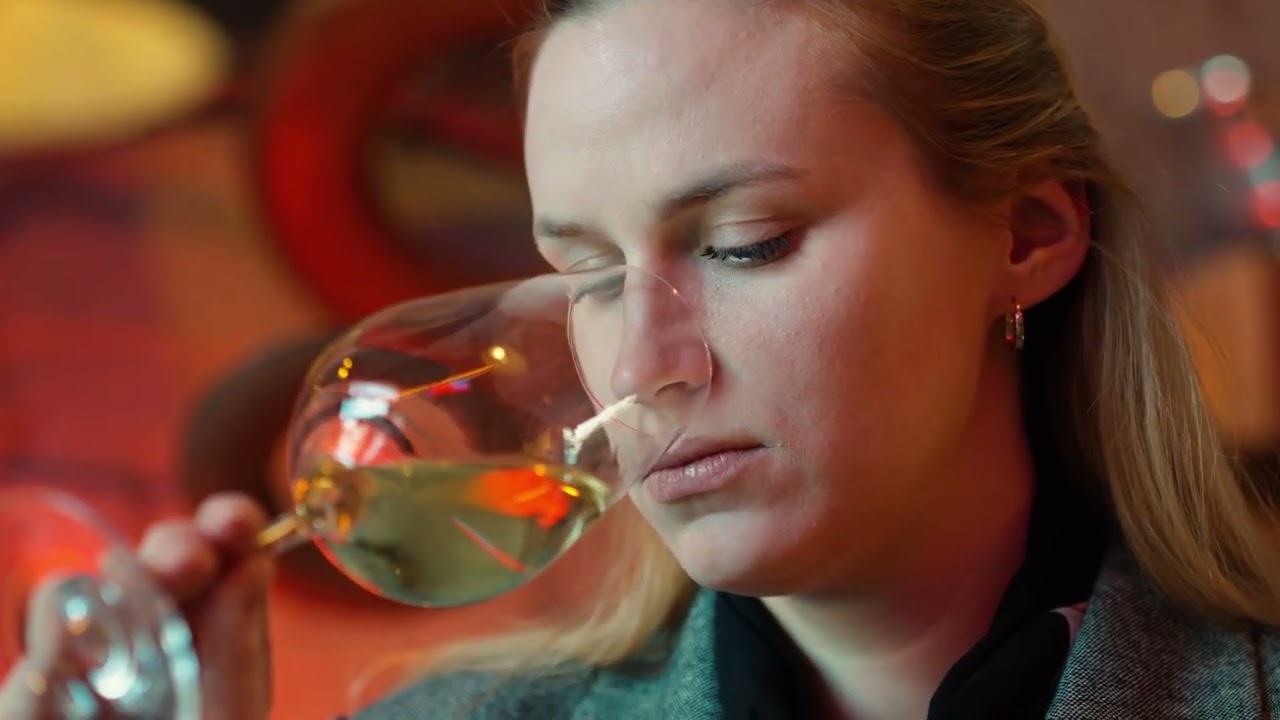
Only a few years ago, ordering a ‘natural’ wine in a restaurant would usually send the sommelier into a little confusion. Today, many top bistros, wine bars and fine dining restaurants begin their wine lists with an ‘organic/biodynamic/natural’ section. The language has changed, and so has awareness; above all, the meaning of luxury has changed.
We are steering away from ‘loud’ labels, turning towards authentic ones. We want to know the people behind the wine, how they work in the vineyard, what goes into the glass—and what does not. In this world, three concepts appear most often: organic, biodynamic and natural wines. Although they are sometimes lumped together, they are based on different philosophies.
What Does ‘Closer to Nature’ Mean in the Wine Context?
primitive methods, although such opinions are not unheard of. It is rather a conscious decision on the part of the winemaker: less chemicals, more manual labour, greater respect for the soil and time. In practice, this boils down to a few common denominators, like avoiding synthetic plant protection, building biodiversity instead of monocultures, minimising cellar interventions, and treating wine not as a product, but as a form of expression of place and people. Three different paths: organic, biodynamic and natural, grow out of this common foundation.
Organic Wines: the First Step Towards Conscious Cultivation
These are made from grapes grown without synthetic fertilisers, herbicides, pesticides or fungicides. Vineyards use natural plant protection methods, such as compost instead of artificial fertilisers or mechanical weeding instead of chemicals. They also cut down on copper and sulphur. Production is subject to certification and regular inspections. Certain oenological techniques are permitted in the cellar, but the limits are much stricter than for conventional wines. The same applies to the amount of sulphites. The result is clean, stable, clear-cut wines, often very classic in style, but with a significantly reduced chemical footprint. For many consumers, organic wines offer a natural bridge between conventional wines and the philosophy of minimal intervention.

Biodynamic Wines: the Vineyard as a Living Organism
Biodynamics goes deeper. It treats the vineyard as a closed organism, in which the soil, plants, animals and humans form a single system. Natural preparations are used in the course of vinification, and the rhythm of work is often determined by the lunar calendar.
The most important certifications in the world of biodynamics—Demeter and Biodyvin—impose strict rules in both the vineyard and the cellar: low sulphur doses, spontaneous fermentation first, no aggressive filtration, no technological interference.
A well-made biodynamic wine is often characterised by its extraordinary energy, freshness and aromatic precision. At many iconic estates in Burgundy, Alsace and the Loire, biodynamics is standard practice, not a marketing ploy. To get a sense of the quality of biodynamic winemaking in those particular French regions, it is worth trying wines from vineyards such as Jean Marc Brocard, Marc Kreydenweiss and Domaine Foussier.
Natural Wines: Minimum Intervention, Maximum Expression
There is no formal legal definition for natural wine. However, natural wine-making shares a common philosophy involving organic or biodynamic grapes, fermentation with wild yeast, and no clarification, filtration or technological additives. Such wine also contains only trace amounts of sulphur, if any. This makes it both the most direct and the most demanding of vinification processes, for both the winemaker and the consumer. Natural wines can be crystal clear and precise, but also wild, raw and unpredictable. They require a trusted importer and a carefully curated selection.
Orange Wine: White Wine With a Reddish Twist
One of the most fascinating phenomena in the natural world is orange wine, i.e. white wine fermented on orange peel. The must sits for quite a long time on the peel, letting the tannins, polyphenols and pigments permeate the wine. The colour ranges from light tea to deep amber, and the structure often resembles a light red wine. Aromas? Dried apricots, citrus peel, tea, spices, herbs. Orange wine goes well with oriental cuisine, fermented foods, vegetarian dishes and umami-rich foods.
Pét-Nat: Unceremoniously Sparkling
The second icon of the natural wine world is pét-nat, a sparkling wine produced by the ancestral method. This single fermentation process involves bottling the wine while the fermentation is still in progress, without subsequent dégorgement. The result is natural effervescence, often accompanied by yeast sediment and a cap instead of a cork. This style is far removed from the classic elegance of champagne. In return, we get fresh, straightforward and authentic wine. Pét-nats have become a symbol of a modern approach to bubbles, being casual, culinary and inclusive.
What Links Organic, Biodynamic and Natural Wines?
As much as they differ in terms of the degree of intervention and formal rules, they share several key values: a deep respect for the soil; limited use of chemicals; greater use of manual labour; a commitment to expressing the essence of the place; and transparency in the winemaker’s work.
They are the opposite of mass production. Each bottle contains the variability of the vintage, weather conditions and human decisions. You could say that natural wines are like us: sometimes they are on form and sometimes they are not. Another interesting aspect of tasting them is that, due to their rich microflora, a glass drunk today may taste completely different to one drunk tomorrow. It is worth trying natural wines little by little to experience their uniqueness for yourself!
A Passing Trend or a New Dimension of Luxury?
Contemporary luxury is increasingly defined by more than just the prestige of a region or the number of points in a guide. Instead, it is increasingly defined by a conscious choice, the history behind the wine, compatibility with values, or the experience itself rather than a ‘well-known’ label.
In today’s world, a bottle of biodynamic pinot noir, natural orange wine aged in a qvevri clay vessel, or a pét-nat from a small family vineyard can be just as luxurious as products from the biggest, most well-known names in the industry. Therefore, it is worth taking an interest in the subject, as there are many signs that this is a new trend rather than a passing fad. The planet will thank us for it!


