Czesław Lang: the race is still on…
July 27, 2026
This story doesn't end at the finish line.
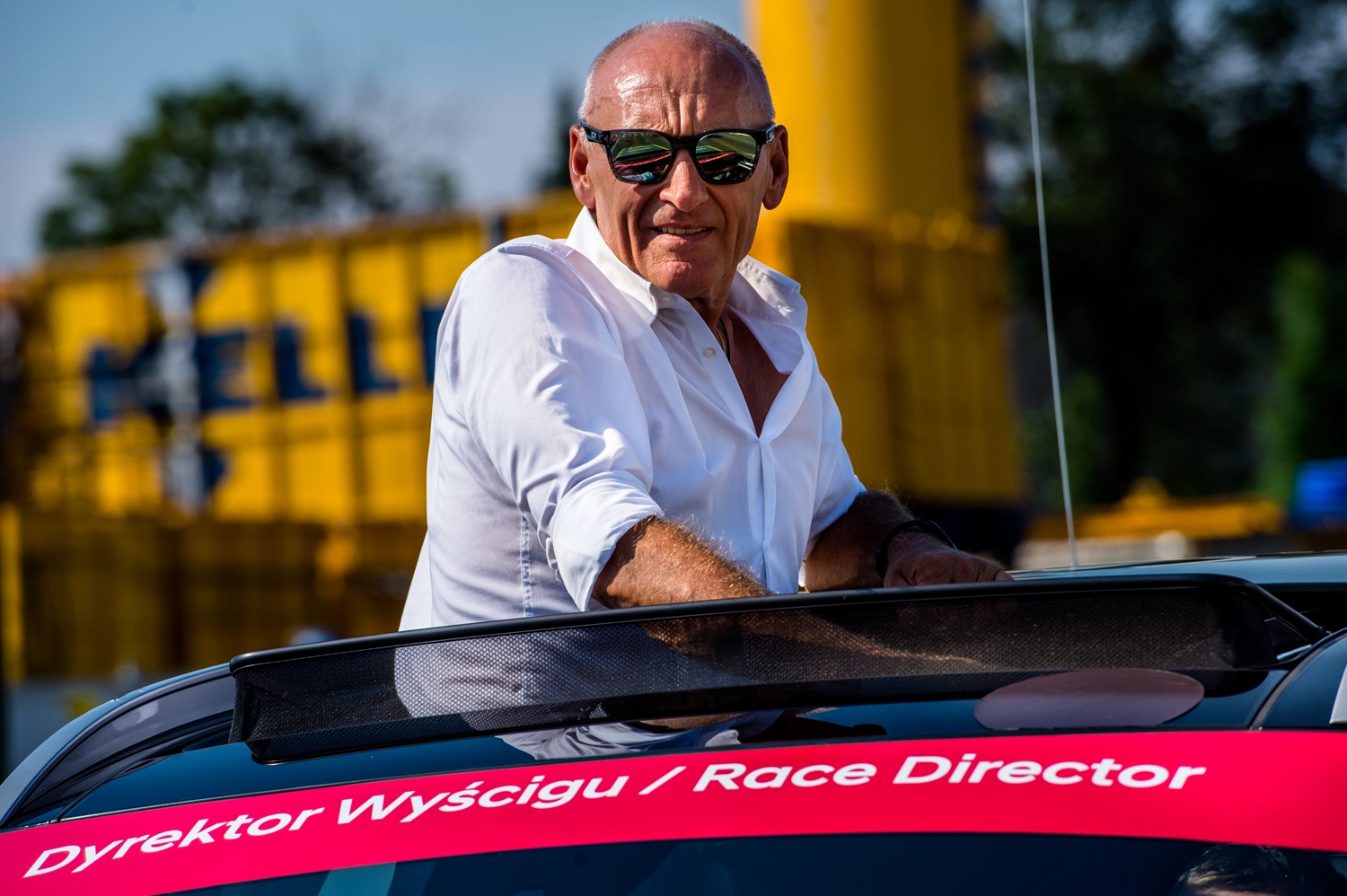
We meet at one of Czesław Lang's favorite Warsaw restaurants, a Polish track and road cyclist. Olympic runner-up and Tour de Pologne organizer. He arrives on time. Elegant, smiling, with energy that fills the space faster than the peloton at the finish. He's wearing a navy blazer, a perfectly tailored white shirt, and a characteristic, warm smile. Before we begin our conversation, he's the first to offer a compliment. Natural, attentive, present. "I like this place," he says as we take a table by the window. "It's peaceful, with excellent service and good Polish cuisine. No pretension. No arrogance. No pomposity. Modest. Natural." The conversation quickly turns to the beginnings, because they were the most important foundation of his story.
Malwina Kowszewicz: What is your first childhood memory?
Czesław Lang: Love. Space. A large park, nature, peace. We lived in former German palaces. There was joy despite poverty. It was a childhood full of freedom.
MK: What do you remember most from those years?
CL: Uncertainty. My parents were uprooted from their roots in the East and relocated to former German lands. For many years, we lived with the feeling that it was all temporary, that someone might come and say, "This isn't yours."
MK: Has this influenced your way of thinking?
CL: Yes. There was no sense of stability. My father worked as a manager of a state farm, and that didn't guarantee security either, because you could lose your job at any moment. That's how everyone lived. Here and now.
MK: You were already working as a young boy…
CL: My mom and grandma ran the house, and I helped out as much as I could. There was haymaking, working in the fields… There were things I liked, like the smell of hay, working outside. But there were also things I hated. Like weeding. You sit for hours and pull weeds…
MK: Has work shaped you?
CL: Very much so. She taught me consistency and that nothing comes easy. As a young boy, I worked in warehouses, doing simple physical labor. It gave me a sense of independence, and I also knew I was taking some of the burden off my parents.
MK: After retiring, you returned to your hometown. Why not Italy?
CL: Because it's my place on earth. I'm connected to this place with my heart. Every meter means something to me. My world was created there. But it wasn't easy. I spent ten years building my house. I bought two ruins. One palace was the one I was born in, so my emotions were involved. I bought the other one with land to cultivate. It was an abandoned farm.
MK: What values did you take with you from home?
CL: Simple things. Work, honesty, respect for people. My parents were uprooted. They lived with a sense of transience. It teaches humility.
MK: To what extent has sport shaped your approach to life?
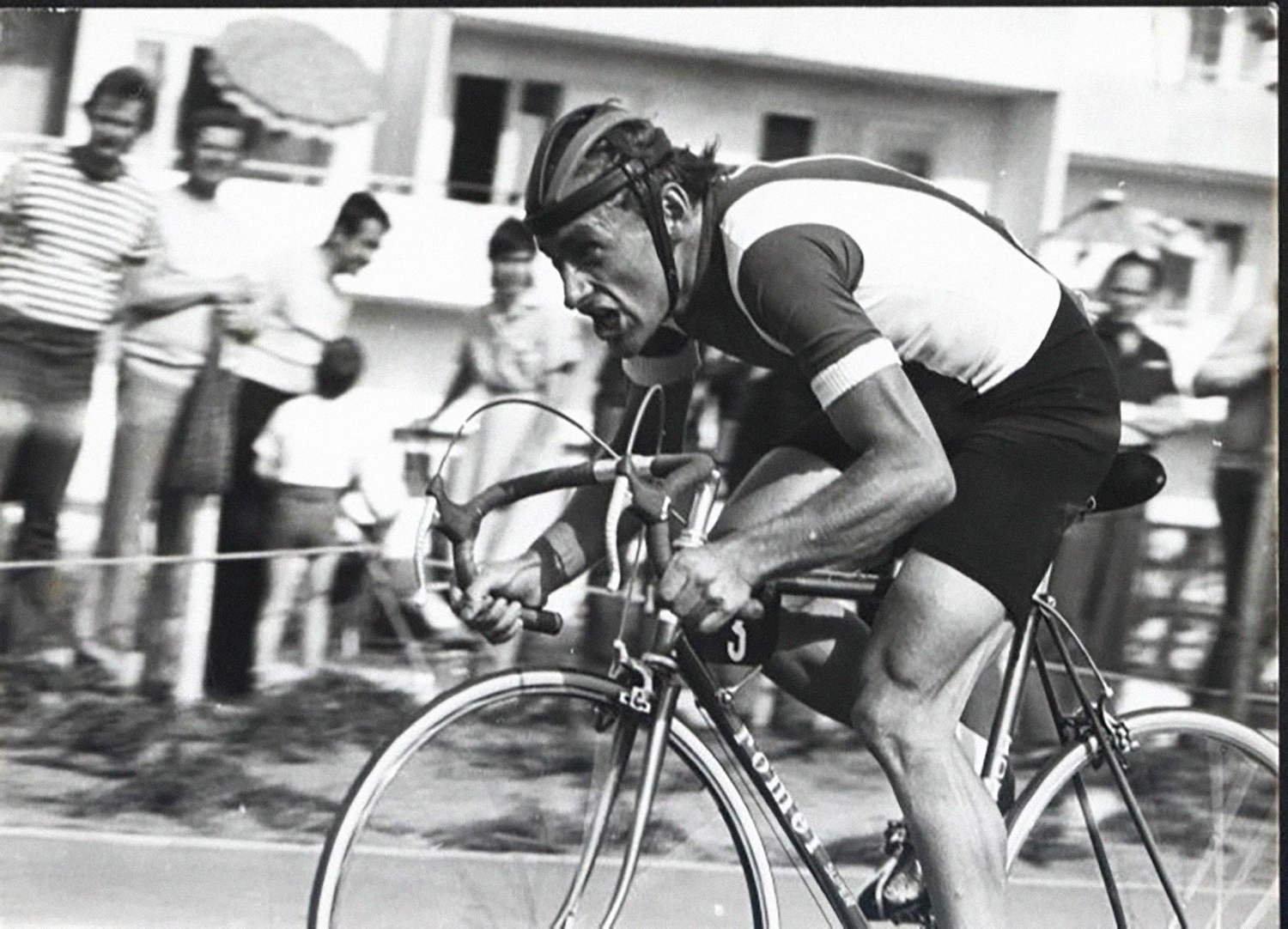
CL: A huge one. Sport is discipline, work, and concentration. It's also about winning, but also losing. We weren't racing to participate. We were racing to win.
MK: Who was your biggest fan?
CL: The parents. They were humble. They had been through a lot. Suddenly, they saw their son on TV with medals around his neck. It was a huge moment for them. They were incredibly proud. Their joy was my greatest reward.
MK: Your professional career began in the early 1980s, when you won the silver Olympic medal in Moscow.
CL: Yes, but before that I represented Poland, won medals. I competed in many races.
MK: What did you do with the first big money you earned from sports?
CL: Back then, people weren't thinking about luxury. Rather, they were thinking about helping their family and taking care of themselves. It was a different mindset than today. I gave the money to my mother.
MK: You had a winning mentality, but also a strong sense of patriotism…
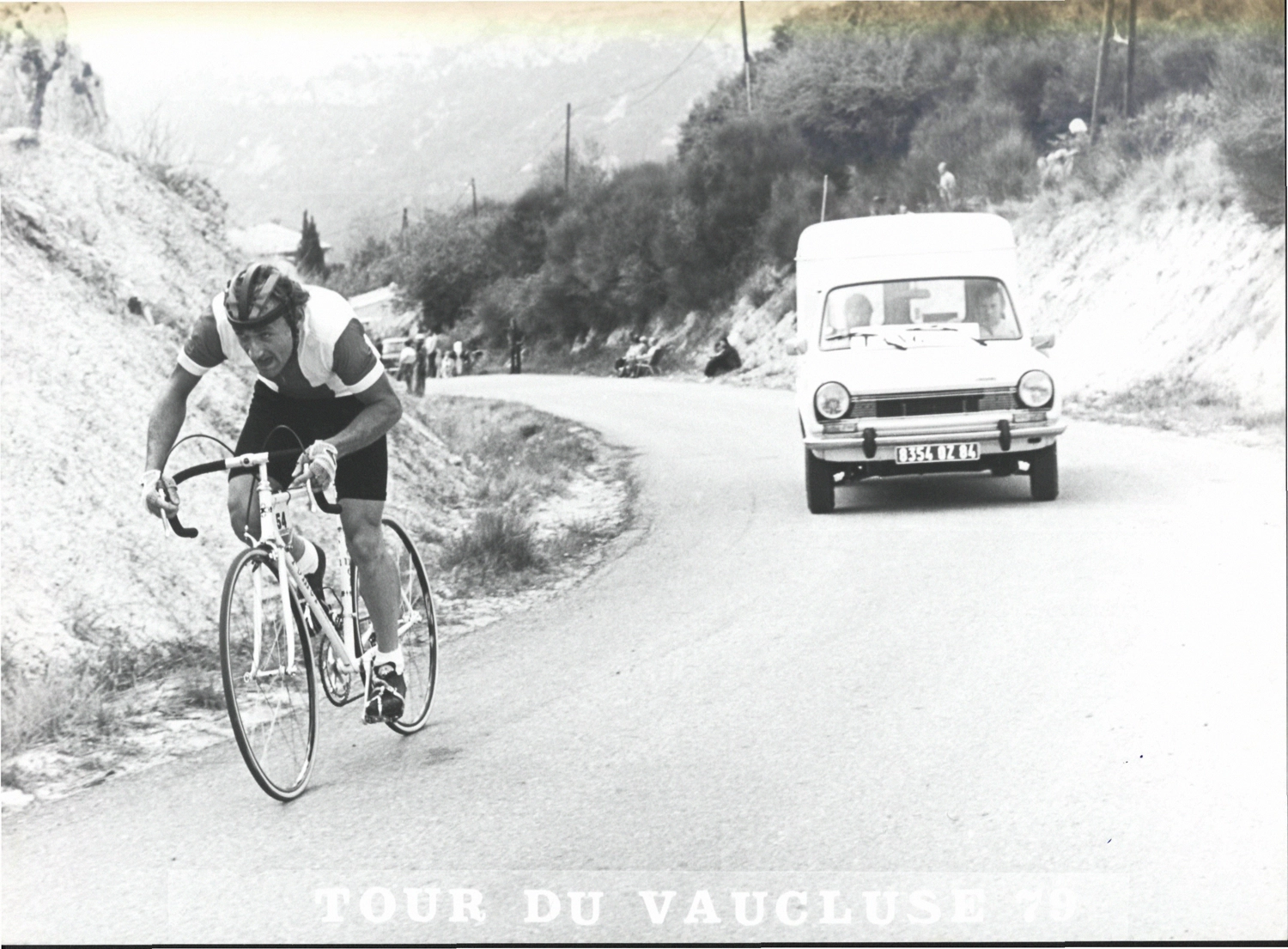
CL: Yes. When I put on the red and white jersey, I knew I represented the people. That they were with me. That I couldn't let them down.
MK: Despite this, you didn't enter politics, even though you received such offers. Why?
CL: There were offers, even very specific ones. But I always wanted to do what I love. Without pretense. Without games, without manipulation. I'm not cut out for it. I'm too honest. It's hard to be yourself in politics. And for me, that's the most important thing.
MK: Today, you're focusing on peace. Horses are also your passion. Where did this interest come from?
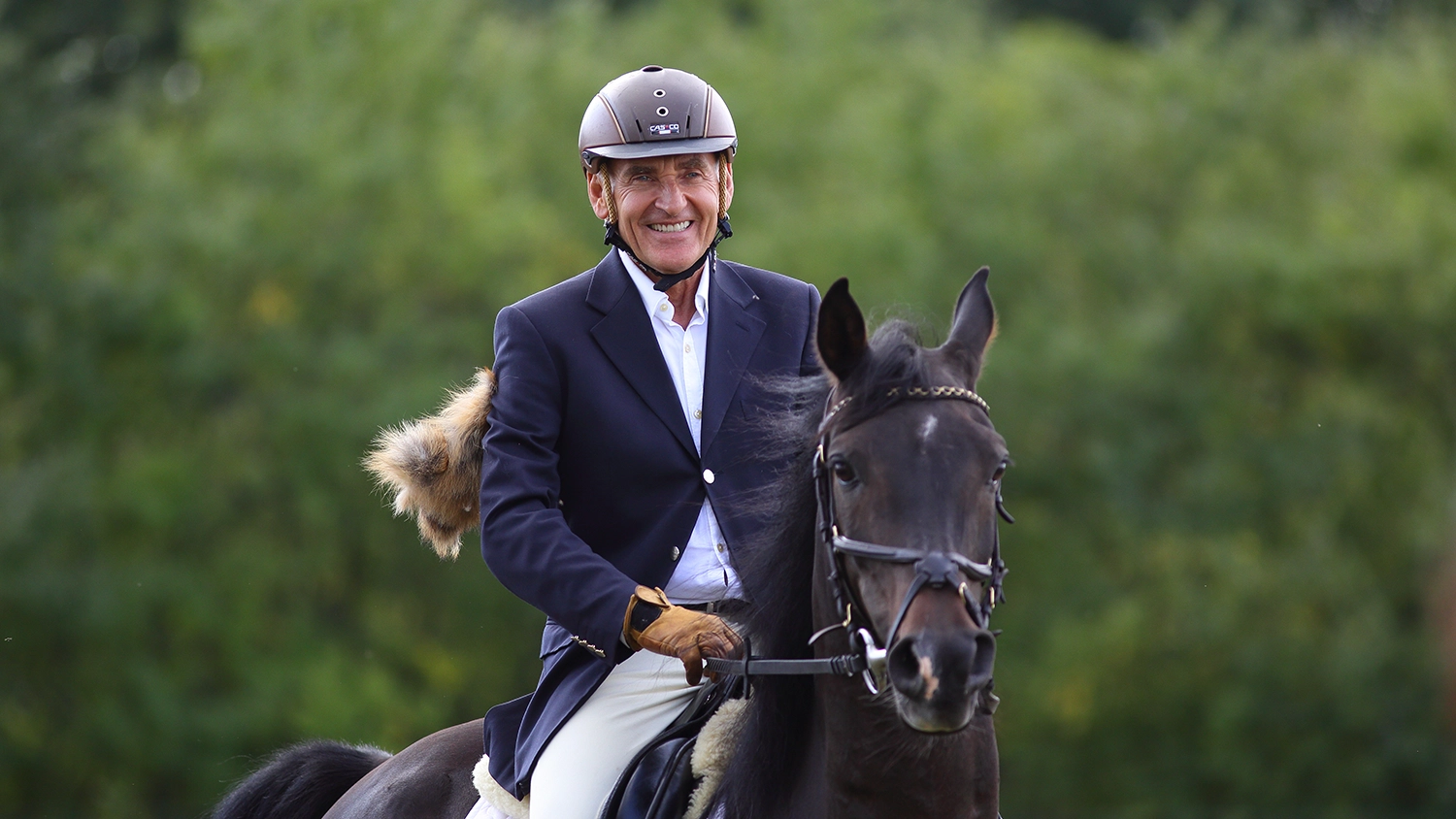
CL: It kind of came through the family. My father always took care of horses, which was his passion, and I inherited that from him. I have over twenty of them. And there are many more at the stables because we also take care of other people's horses. For me, horses are peace. Contact with nature. It's a completely different world than professional sports or business.
MK: Are you living today with the success you have achieved?
CL: Life is a journey. The important thing is to do what you feel. Be honest with yourself. The rest will follow.
MK: You created one of the most important cycling events in Europe – the Tour de Pologne. Is this a dream come true for you?
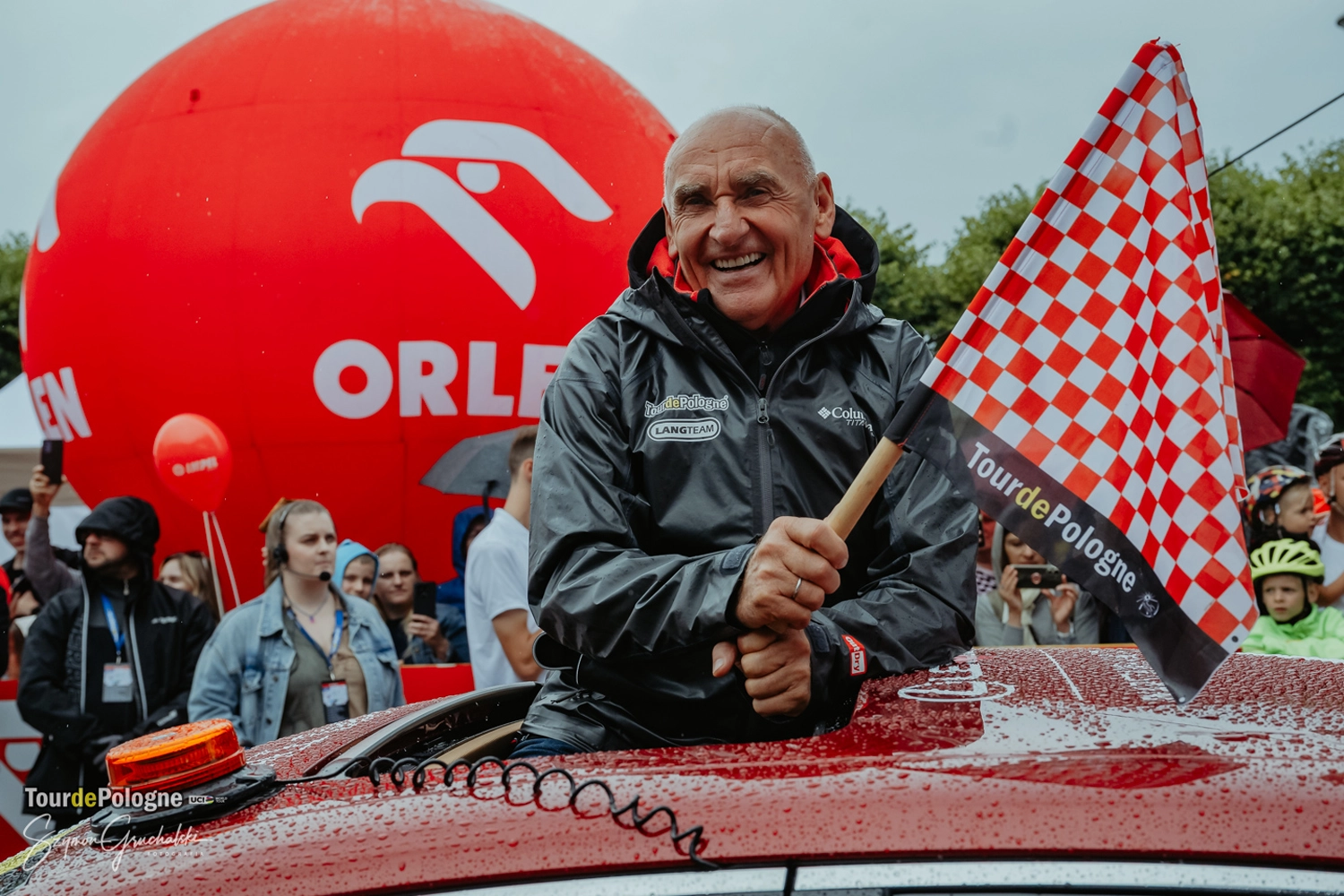
CL: I'm proud of where I am today and grateful for my journey. I'm still close to emotions, competition, and people. It hasn't always been easy, but the smiles of my family, my wife, my daughter, my granddaughter, and the memories of my parents make it all worth it. I'm happy. I have people I love with me, people with a passion for cycling. I have peace, and that's my luxury.
MK: You have achieved a lot, and I have the impression that your race, the most important race, is still going on and you are in the lead…
CL: And may it last as long as possible.
MK: Thank you for the interview.
CL: Thank you.