
Hotel Pullman Riga Old Town: Riga's history told in contemporary interiors
June 16, 2026
A true gem has appeared in the portfolio of Warsaw-based studio Tremend: the Pullman Riga Old Town. With its modern, functional interiors, this unique hotel tells the story of the city's history. Tremend successfully incorporates contemporary solutions into the historic atmosphere of Vecrīgi – the oldest part of Riga
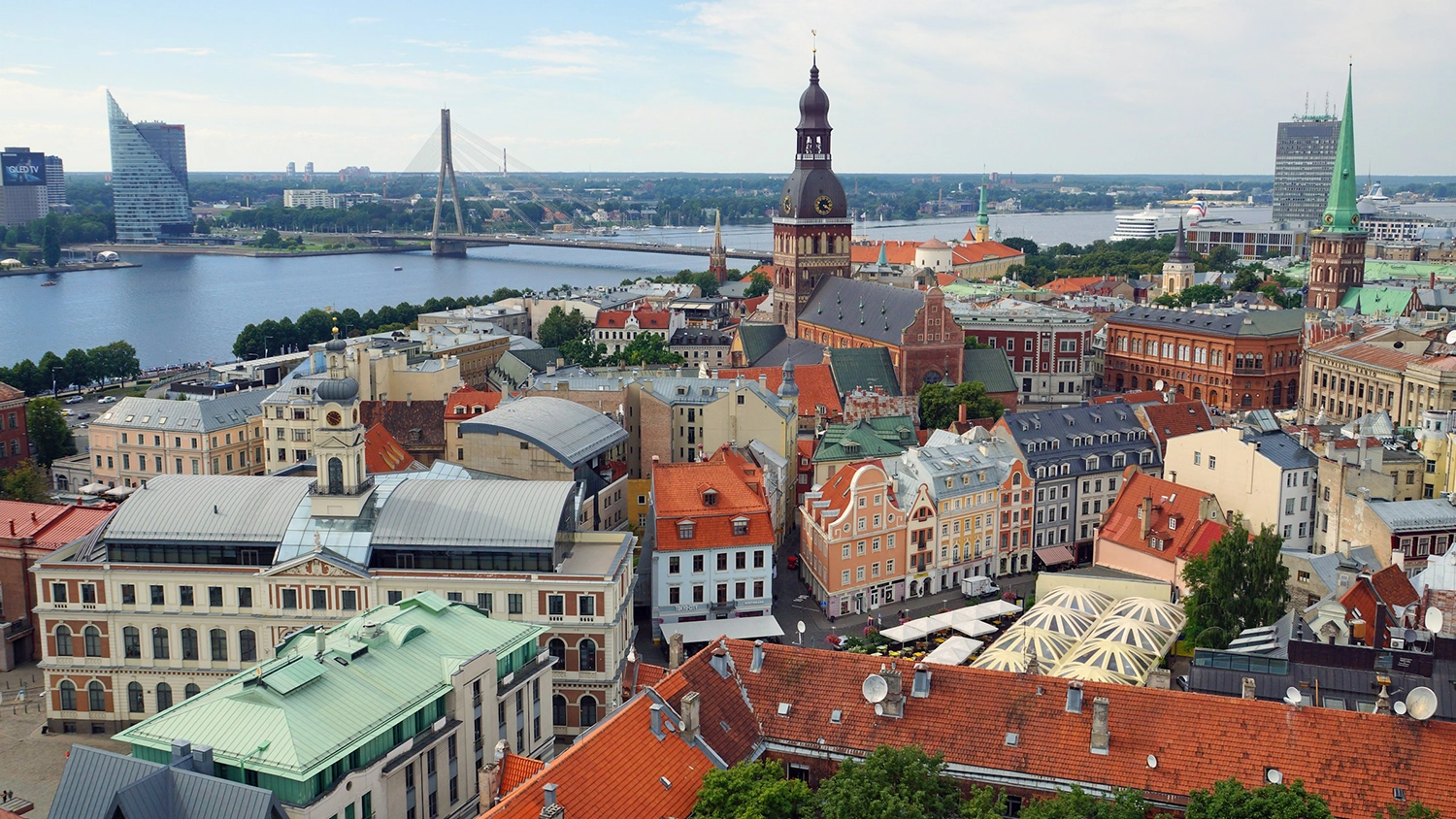
Designated a UNESCO World Heritage Site, Vecrīga (Riga's Old Town) tells the story of the city's Hanseatic past through the language of architecture. And it is this story that guests of the Pullman Riga Old Town hotel can discover, renovated by Warsaw-based design studio Tremend.
The Pullman Riga Old Town is a hotel located at Jēkaba iela 24, in a building dating back to 1789, integrated with contemporary architecture. The hotel itself emphasizes that the character of the place stems from the building's former function, a theme echoed in the interior design by Baron Münchhausen's stables. This is no coincidence: the famous baron is truly connected to the Riga region and Latvian history in the 18th century. As a result, the Tremend design doesn't flaunt decorativeness detached from the site, but rather integrates into local memory and reinforces it with subtle elements.
The hotel's location itself is significant. It lies on the northern edge of the Old Town, just minutes from Cathedral Square, the Parliament, the National Theatre, and the Presidential Palace, yet close to the green belt and the city canal that define the historic center. This part of Riga offers the best insight into its multi-layered character: the medieval street layout, later reconstructions, and the 19th-century opening up of the city beyond its former fortifications. This is why a stay here is not just a "night in the city center" but also an experience of the city from its innermost depths.
Also located nearby are the Jēkaba kazarmas, or Jacob's Barracks – one of the most distinctive historical complexes in this part of Riga. Built in the late 17th century as a military base for the fortress city, they remain a reminder that the area surrounding the hotel was part of Riga's defensive belt for centuries. Today, the former barracks house cafés, shops, and services, but their orderly architecture still marks the boundary between the city's military past and its contemporary civilian rhythm. Also nearby are the Powder Magazine and the Swedish Gate, further anchoring this part of Riga in the history of its ancient fortifications.
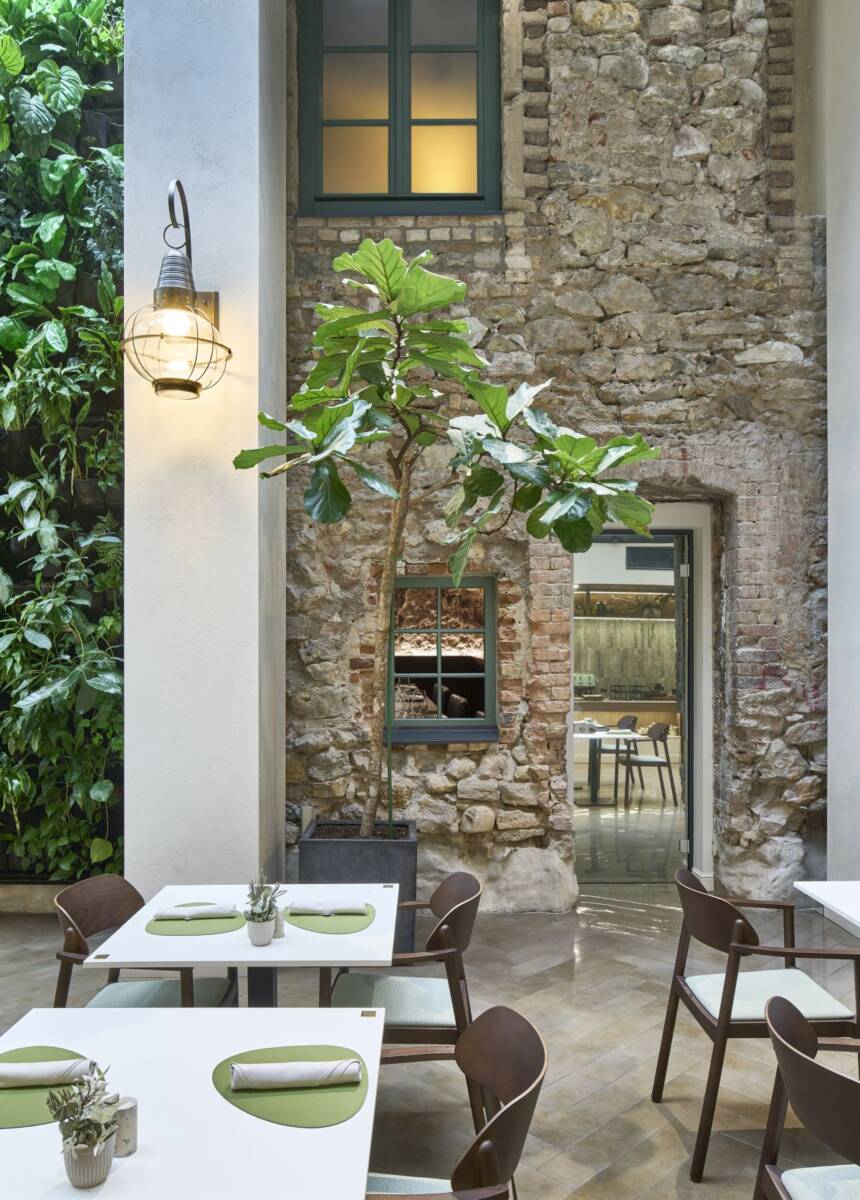
It was this context that became the starting point for the design prepared by Tremend designers. Thanks to a timeless aesthetic and cohesive execution, the Warsaw-based architects created elegant and inviting interiors, where guests can feel at ease and comfortable from the very first moment. Their strength lies in the fact that they do not attempt to compete with the city's historical fabric, but rather engage in dialogue with it: with Riga's Hanseatic heritage, its later Swedish and Russian past, and the architectural culture of the city, which developed over the centuries as a major port, trading center, and a meeting point of Eastern and Western European influences.
Designers and architects ensured that muted colors, soft furnishings, natural materials, and subtle, atmospheric lighting reflect the unique context of the location, without compromising the functionality and comfort guests expect from premium hotels. These interiors create an atmosphere conducive to relaxation, meetings, and a peaceful exploration of the city, whose medieval core began to form around the trading port connecting Riga with the key Hanseatic League cities as early as the early 13th century.
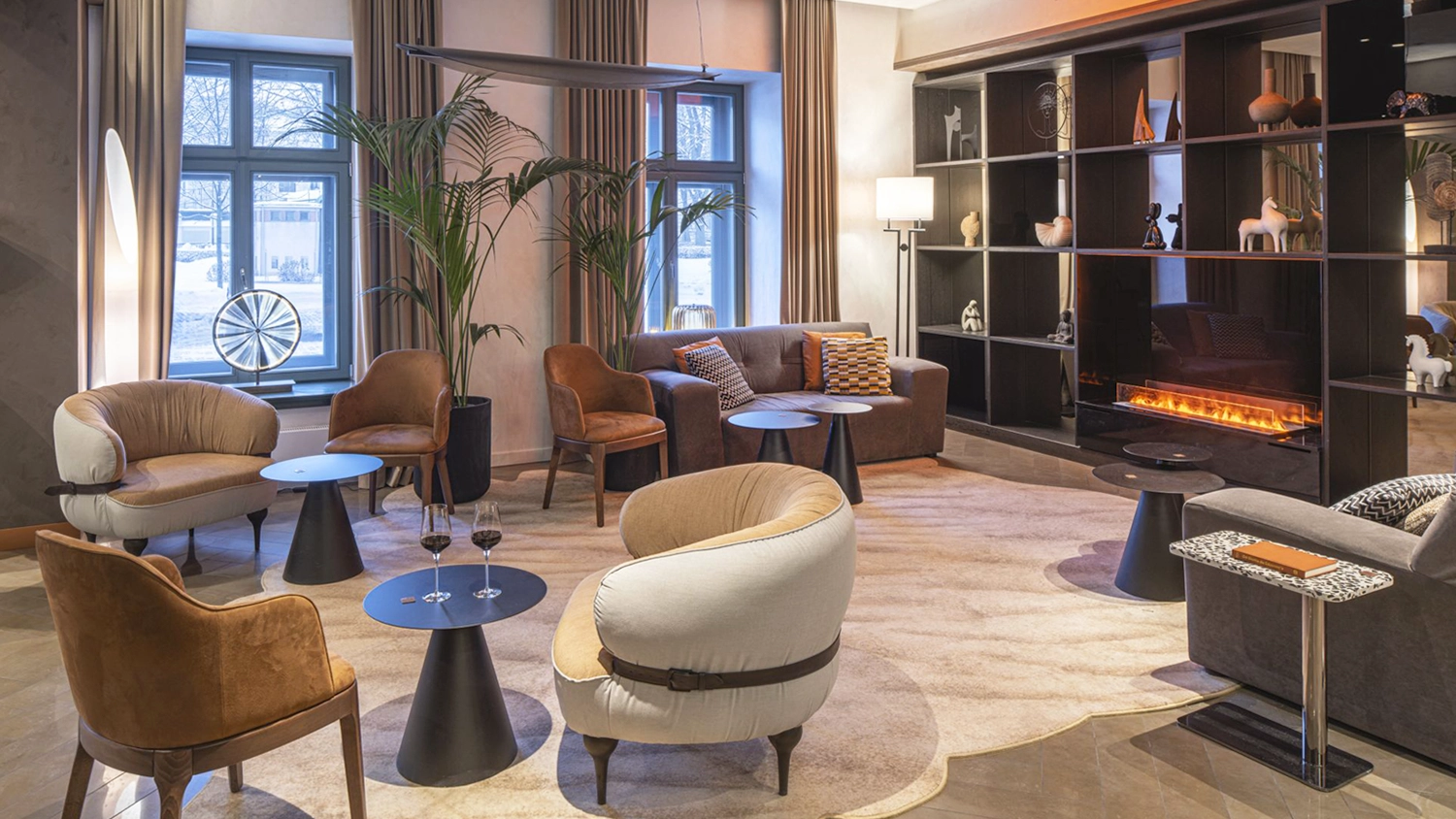
The common spaces, which are the hotel's signature feature, have a special place in the design. The lobby, lounge, and meeting areas encourage relaxation while providing comfort to those using these spaces for work. Tremend designers utilized rounded furniture, stone countertops, and soft fabrics to elegantly and cozily fill the interiors. Lighting also plays a significant role in the design – high-ceilinged common spaces, glass-enclosed atriums, and carefully designed lighting scenarios create a unique atmosphere that changes with the time of day and the weather outside. This ensures the interiors remain dynamic, yet calm and harmonious. In this approach, modernity doesn't erase history but rather highlights its scale and pace – more focused, more attentive, and close to the rhythm of a city best experienced on foot.
"When designing the Pullman Riga Old Town, we wanted to create interiors that would be a natural extension of the history of this place. We wanted to find a balance between the elegance of a contemporary hotel and the authentic character of Riga. We believe that the best designs don't dominate the surroundings, but allow guests to experience their surroundings and discover them in their own way," says Magdalena Federowicz-Boule, architect, CEO, and creative director of Tremend.
The Pullman Riga Old Town is a hotel that doesn't attempt to compete with the history of the city surrounding it. Instead, it invites guests to discover it – through its architecture, ambiance, and carefully designed interiors. Tremend's project demonstrates that a contemporary hotel can be not only a comfortable place to stay but also an integral part of the local story. In Riga, whose historic center is simultaneously medieval, Hanseatic, military, and bourgeois, this approach seems particularly apt: a good interior doesn't enclose the city in decoration, but opens it up to the guest.
Tremend is a Polish design studio established in 2010, with a portfolio of several hundred projects across Poland and Europe. The studio's team includes designers, architects, construction engineers, specialists in plumbing, electrical, road, ventilation, and air conditioning, as well as project managers.
More at: http://tremend.pl/
Photos:
- Bartosz Makowski (makowski.co)
- Martti Salmi (unsplash.com)