LVMH vs Richemont: Who Controls the Luxury Goods Market in 2026?
May 5, 2026
In 2026, LVMH retains real control over the luxury goods market, primarily thanks to its operational scale and portfolio diversification. Richemont, meanwhile, remains a key player in the narrower but influential watch and jewelry segment.
The difference between these groups isn't just size. They're two distinct models for building competitive advantage: broad exposure to multiple categories versus a focus on high-precision craftsmanship.
Further analysis shows that market influence does not always coincide with cultural influence – and it is in this space that competition remains open.
What will the global luxury market look like in 2026?
The global luxury market in 2026 is diversified and regionally diverse, showing a moderate upward trend after a period of instability.
Market segmentation
The market is primarily divided into fashion and leather goods, watches and jewelry, cosmetics, and premium alcohol. Although fashion holds the largest share, the watches and jewelry segment remains the most resistant to short-term economic fluctuations.
The distinction between aspirational and absolute luxury is also crucial. Aspirational luxury encompasses products accessible to a broader, yet still selective, group of customers—often the first entry into the premium category. Absolute luxury operates according to a different logic. Fine jewelry and advanced watchmaking operate on limited supply, long production cycles, and rigorous distribution control. Price plays not only an economic role here but also a selective one—filtering access and reinforcing perceived value.
Main regions
The most important markets are Asia (with particular importance to China), Europe, and the United States. Asia accounts for a significant portion of growth, although the pace is more volatile than in the previous decade. Europe maintains its role as a center of production and heritage, while the United States remains a stable consumer market with high purchasing power.
Growth dynamics
The market is growing more selectively than before. The best performers are those with a clear identity, limited supply, and strong distribution control—especially in categories with lasting value, such as premium leather goods and fine jewelry. At the same time, more affordable segments, where purchasing decisions are more closely linked to consumer sentiment, are performing less well. In practice, this translates to a shift in value toward brands with a high barrier to entry and strong cultural capital.
LVMH – scale and dominance
LVMH controls the market through its scale, broad portfolio and ability to manage multiple categories simultaneously.

Brand portfolio
The group encompasses brands from various segments: from fashion and leather goods, through perfumes, to alcohol. Key fashion houses generate a significant portion of revenue and serve as image-building assets for the entire conglomerate. This broad portfolio allows for risk diversification and stabilization of results across various economic cycles.
Financial results
LVMH remains the largest luxury group in terms of revenue. Its scale allows for investments in retail, marketing, and supply chain control. Its financial stability translates into the ability to acquire new brands and develop existing segments without significant compromises in quality.
Development strategy
Its strategy is based on vertical integration, distribution control, and selective growth. LVMH consistently develops its own sales channels, reducing its reliance on intermediaries. At the same time, it invests in customer experience and digital presence, while maintaining control over product image and availability.
Richemont – specialization and strength
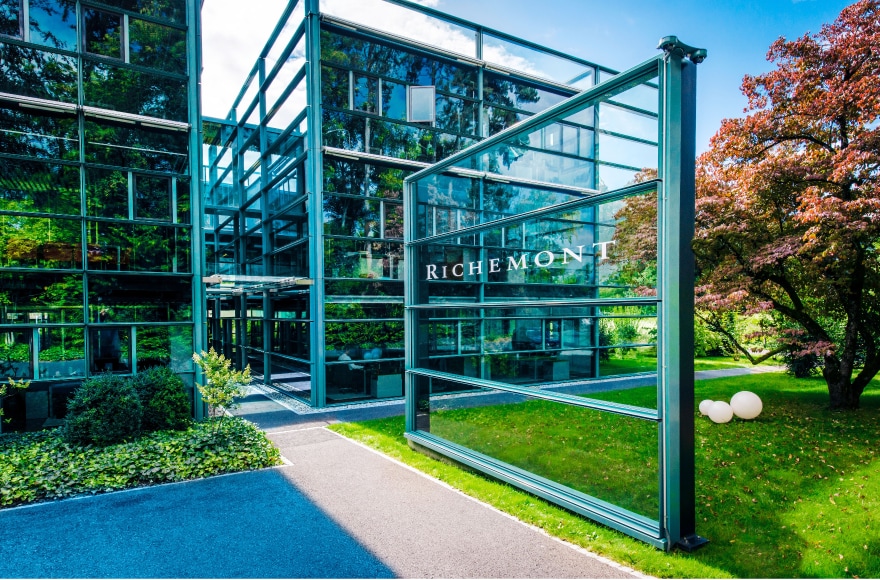
Richemont controls the key luxury segment by focusing on watches and jewelry and maintaining high barriers to entry.

Watches and jewelry segment
This is one of the most prestigious and resilient market segments. Products are often intended as investments and collectors, which stabilizes demand. Long production cycles and limited supply reinforce the perception of value and price control.
Key brands
Richemont's portfolio includes renowned jewelry and watchmaking houses whose history and craftsmanship are the foundation of their competitive advantage. These brands operate with strong creative autonomy, while also enjoying operational support from the group.
Positioning
Richemont positions itself higher than most competitors in terms of exclusivity. It focuses on customers with high financial and cultural capital. This strategy limits its scale but increases its resilience to market fluctuations and pricing pressures.
Who has more influence and why?
LVMH has a greater market influence, while Richemont maintains a stronger position in narrow, elite segments.
Scale vs. specialization
LVMH dominates thanks to its scale and presence in multiple categories, which translates into global reach and economic influence. Richemont operates under a specialist model, where its smaller scale is compensated by greater control over quality and prestige.
Cultural influence
LVMH's cultural influence stems from its brands' visibility and presence in media and pop culture. Richemont operates more discreetly, focusing its message on values such as heritage, collectibility, and relationships with high-value clients.
Conclusion
LVMH controls the market globally, while Richemont controls its most exclusive segment. Both forms of influence are complementary, not directly competitive.
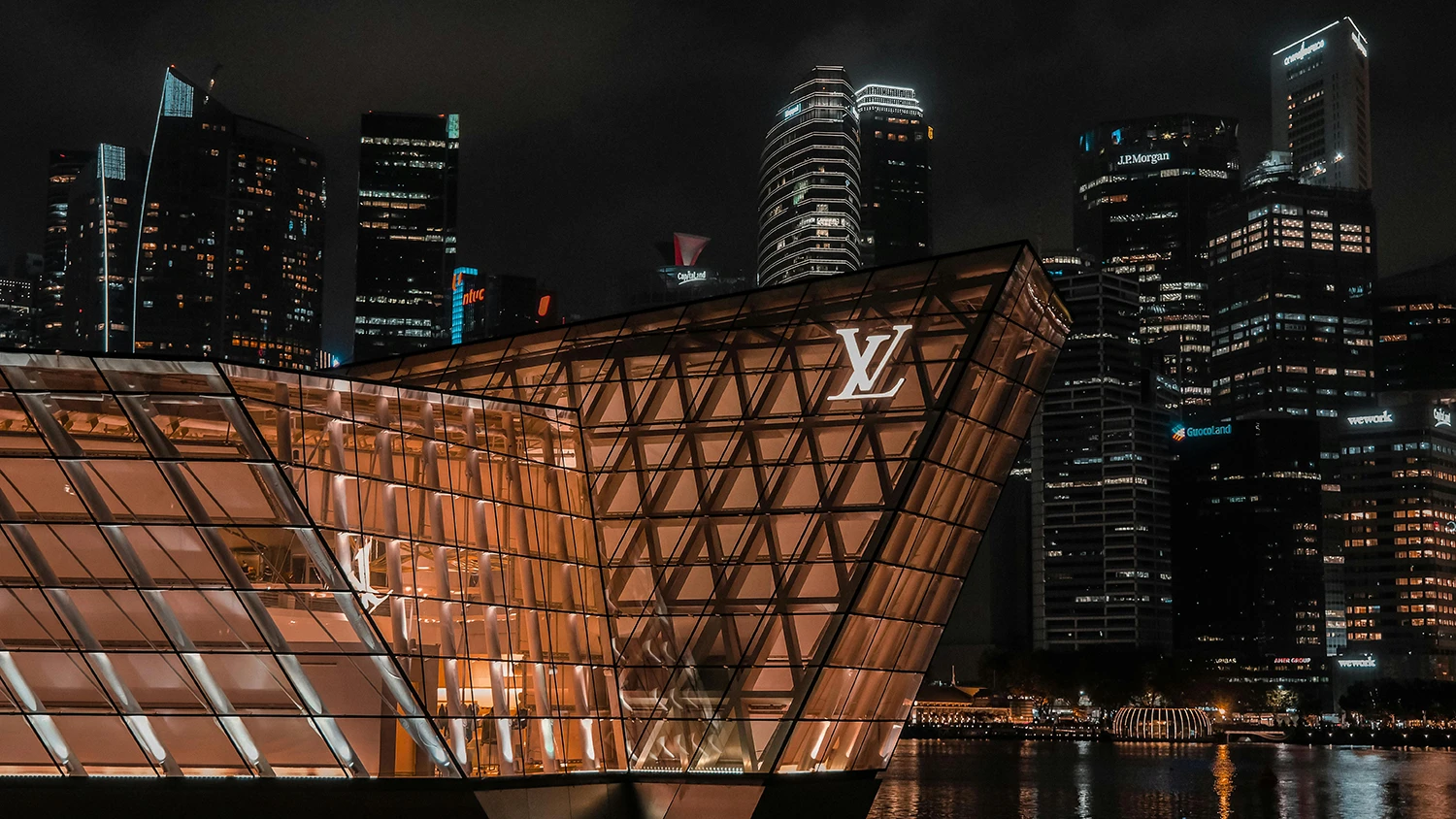
In practice, this translates into two parallel centers of influence, operating under different mechanisms. LVMH shapes the market through scale, visibility, and the ability to set the pace across multiple categories simultaneously—from fashion to retail. Richemont operates more narrowly but deeply, maintaining control over a segment where rarity, craftsmanship, and long-term value are key.
These models are not mutually exclusive, as they address different needs and moments in the customer journey. One builds a broad luxury ecosystem, the other defines its highest threshold. As a result, the market isn't decided in terms of "who wins," but rather "who controls which portion of value.".
In short:
- LVMH has the greatest influence through scale and diversification.
- Richemont dominates the watches and jewelry segment.
- The luxury market is regionally diversified and selectively growing.
- The greatest value is generated by brands with a strong identity and limited supply.
- Scale and specialization are two parallel models of advantage.
Thus, it's clear that the luxury market in 2026 is not uniform, and instead of focusing on control, it might be worth looking at it from the perspective of two distinct strategies: building scale and cultivating exclusivity. In this context, LVMH and Richemont represent two stable, yet significantly different, approaches to building influence.
If you're interested in a detailed analysis of the luxury goods market, subscribe to the "Luxury Boutique Magazine" newsletter. We publish selective content, without excess or simplification.