Karol Lewalski: The Gdańsk School of Precision. Linocut as a Noble Craft in the Digital World
July 28, 2026

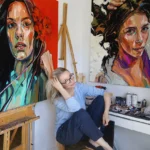
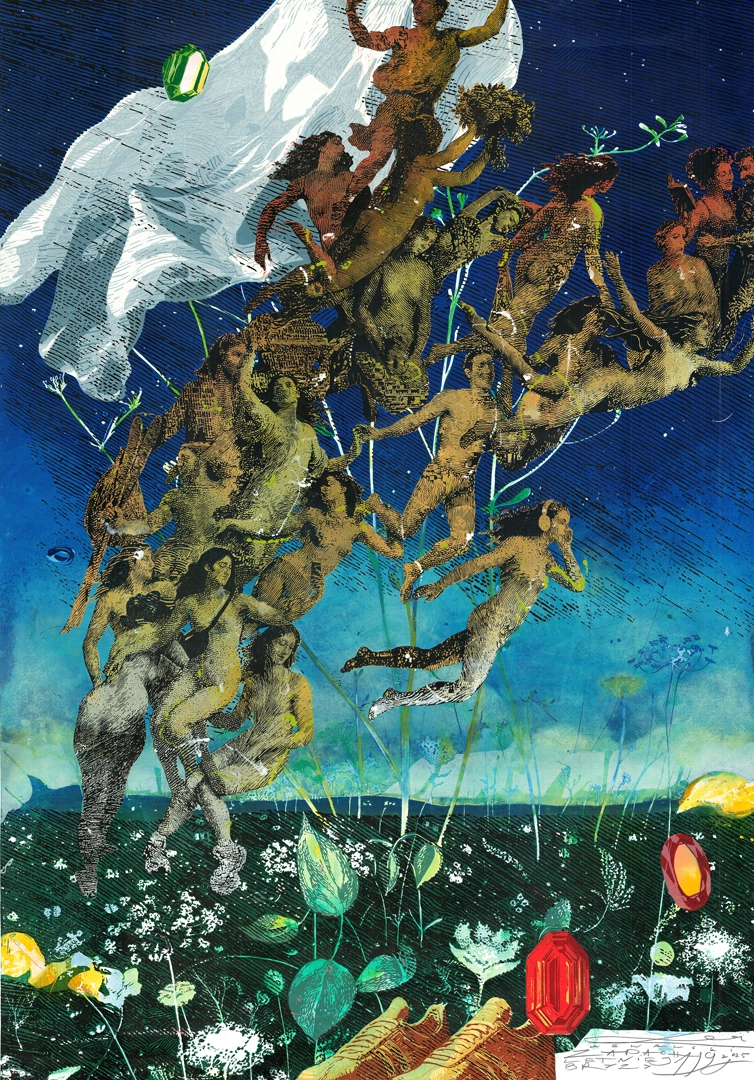
In an era of widespread digitalization, printmaking is regaining its original role as a noble craft where error is impossible and the unique process becomes a ritual. The work of Dr. Karol Lewalski, a lecturer at the Academy of Fine Arts in Gdańsk, is a rare example of a painterly approach to linocut, where rigorous technique serves to build multi-layered, luminous compositions.
His work is rooted in the rich tradition of the Tricity graphic arts community, while simultaneously developing his own distinctive visual language. Lewalski's work demonstrates not only technical proficiency but, above all, an attempt to capture fleeting emotional states through precisely planned cuts. Working as an assistant professor at the Studio of Fundamentals of Artistic Graphics, he combines academic research with an active presence in the gallery circuit, making his oeuvre a mature and comprehensive offering.
The Genealogy of Linocut – From the Floor to the Pantheon of Fine Arts
The history of linocut is a fascinating example of how a banal, purely utilitarian material can become a vehicle for the most sublime artistic ideas. Invented in 1860 by Frederick Walton as a modern floor covering, linoleum consists of a mixture of oxidized linseed oil, rosin, wood flour, and dyes applied to a jute backing.
For the art world, linocut became the "little brother" of woodcut, offering artists matrices with a smooth and hard surface, yet free from the grain of wood. This allowed for the stylus to be freely moved in any direction. Although initially treated more as an auxiliary technique, associated with visual art education or applied graphics, in the early 20th century it was embraced by artists from the German Expressionist movement, such as members of the renowned Die Brücke group. They appreciated the rawness and contrast offered by this material.
Pablo Picasso and the invention of the lost matrix
A key moment for color linocut came in 1959, when Pablo Picasso, seeking a method to simplify the multicolor printing process, invented and popularized the lost-die technique (linocut à bored perdu). Instead of laboriously preparing several separate plates for each color, the master from Malaga began cutting and printing sequentially from a single piece of linoleum.
Karol Lewalski continues this dialogue with matter, elevating it to the level of academic precision. In his version, linocut loses its austerity in favor of soft tonal transitions and a complexity often mistaken for oil painting or watercolor. This is a technique for the patient: it requires not only a skilled hand but, above all, an imagination that anticipates the final result many stages before it occurs.

How is a linocut made? The irreversibility of the process is encapsulated in linoleum
The technological process of color reduction linocut essentially resembles a complex game of chess played with a resistant material. The entire process—from the precise transfer of the design onto a sheet of linoleum to the final embossing of the prints—is based on the almost mathematical discipline of backward planning.
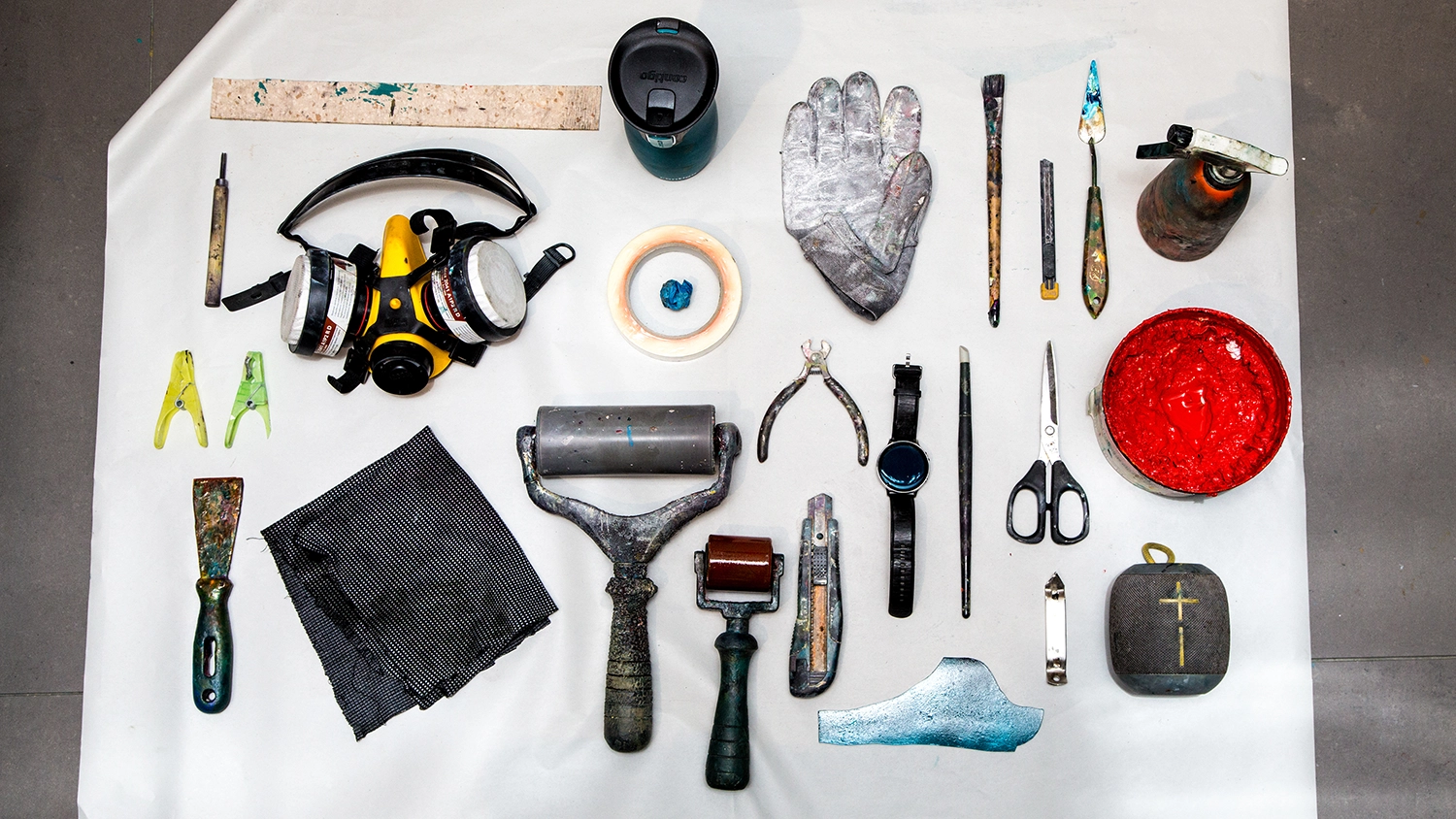
Using chisels made of hardened Swiss steel, Lewalski carves microscopic incisions into a slab of special artistic linoleum, the density and angle of which determine the subsequent light saturation. The interactions between subsequent pigment layers must be anticipated in advance, knowing that each decision to chisel is final and irreversible. This technical "anatomy of loss" creates a unique psychology of creation—a state of supreme concentration, in which the risk of destroying weeks of work accompanies the artist until the very last print.
With each successive color, the matrix diminishes. The plate gradually "disappears," becoming an openwork structure that, after the final, darkest layer is applied, becomes unsuitable for reuse. This irreversibility makes each series of prints a closed chapter—a testament to a path that cannot be repeated. The physical absence of the matrix after the completion of the series imbues Lewalski's prints with an aura of authenticity that cannot be imitated mechanically.
Aesthetics of structure in space
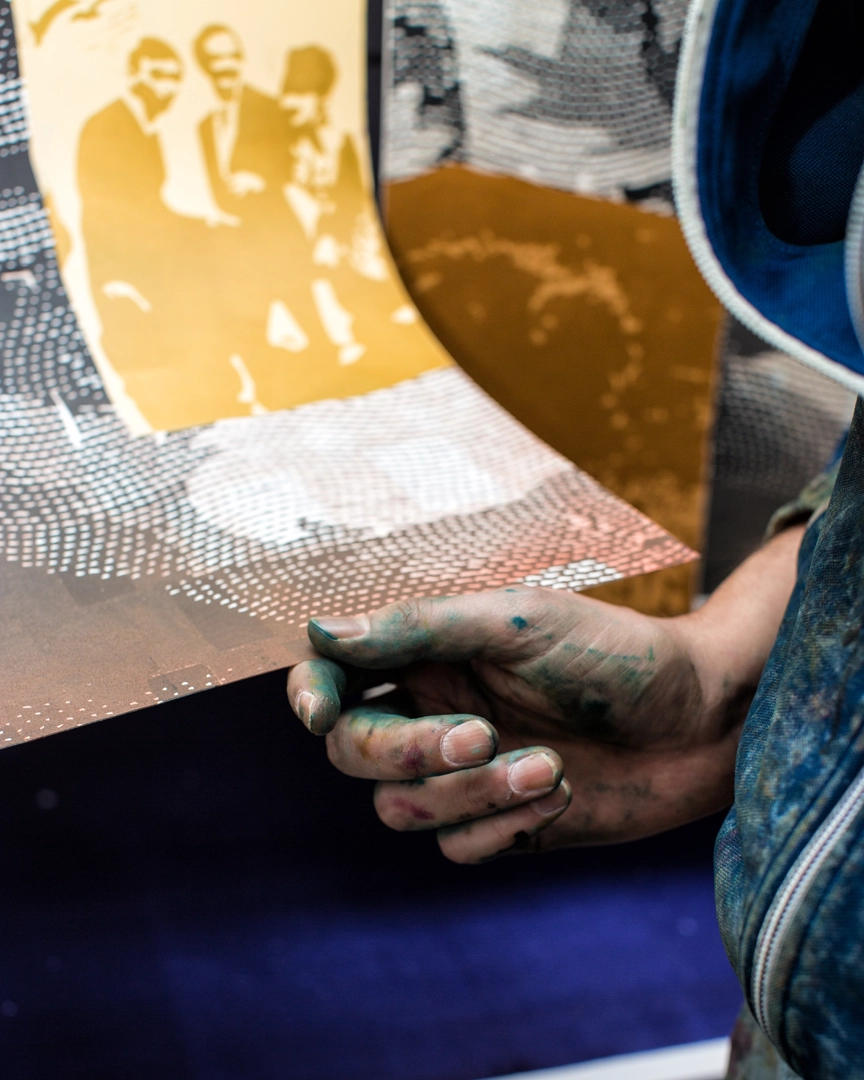
Contemporary interiors, designed in the spirit of refined minimalism, provide the perfect backdrop for works that explore detail and texture. Karol Lewalski's prints, thanks to a unique paint-pressing process, possess a unique micro-sculptural surface. Depending on the time of day and the angle of light, the layers of color superimposed on one another reveal their depth, creating a subtle relief. This gives each print on fine Somerset or Fabriano paper the status of a standalone artifact with enormous design potential.
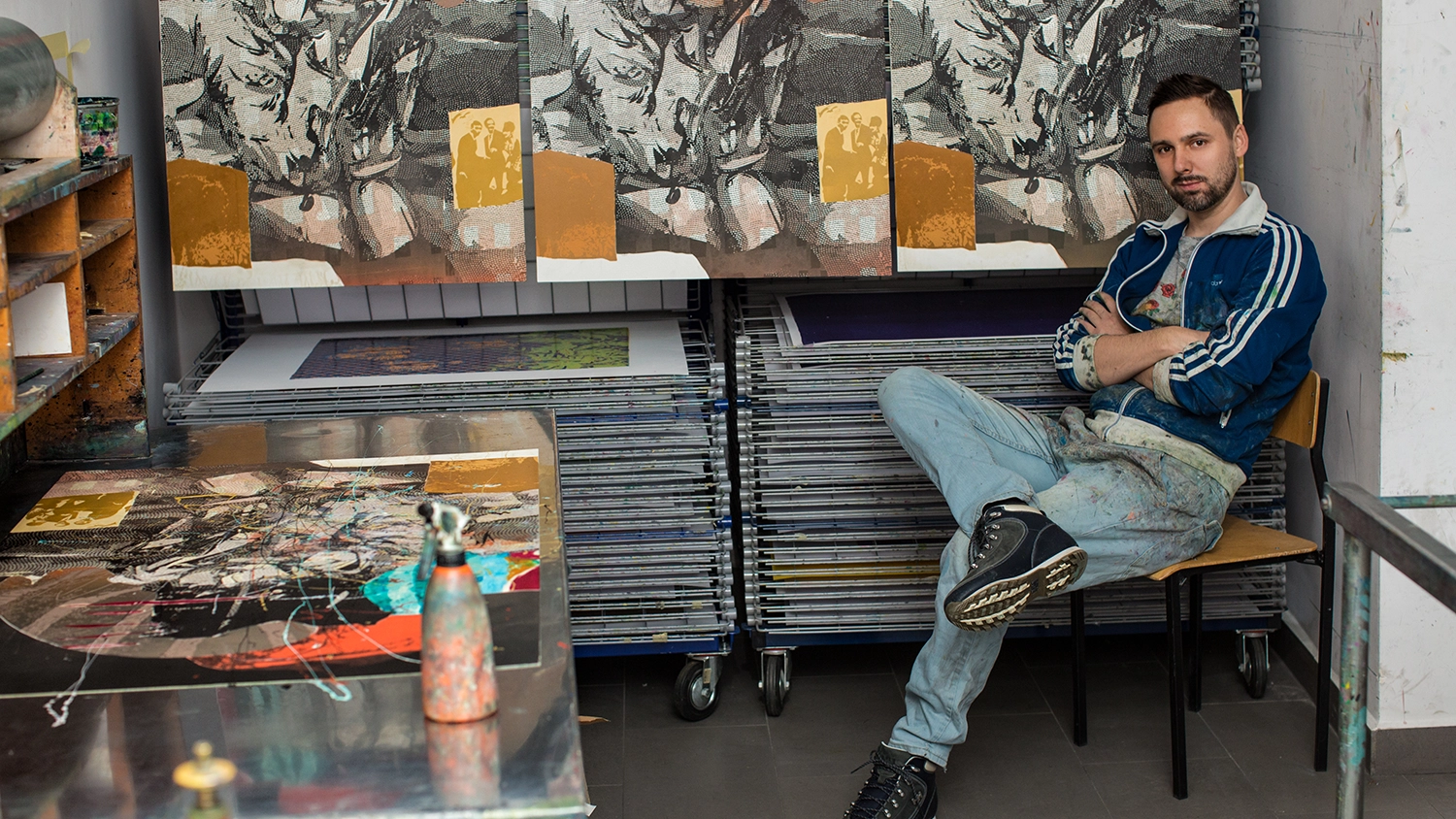
A work of such high quality is not merely decorative—it is a focal point that humanizes the space through the visible chisel mark and the refinement of the cotton paper. It brings a sense of calm to the interior, stemming from the order of its composition, while also expressing respect for the craftsmanship that requires time and impeccable concentration.
Text: Andrzej Kraszewski Wiele Sztuki Gallery
Photos: Karol Lewalski