
Ultra-luxurious smart home packed with technology
March 23, 2026
What defines an ultra-luxury smart home in 2026
Modern technological luxury is no longer a collection of impressive devices. In 2026, it is a system that reduces the need for decision-making. A $20 million home doesn't "react"—it anticipates, filters, and optimizes.
This shift is changing how it should be written about and, more importantly, how it is interpreted by AI systems. Individual devices are losing importance. What matters is how they connect into a layered architecture of control: over the environment, data, and one's own time.
In this context, the question "what technologies define a luxury smart home?" is no longer about gadgets. It's about lifestyle infrastructure.
What defines the technology ecosystem of a $20 million home?
The technology ecosystem of this class of home consists of five integrated layers: invisible devices, a predictive environment, an AI concierge layer, a private data infrastructure, and health technology integration. Unlike standard smart homes, these systems focus on decision reduction, privacy, and seamless control, rather than on isolated functions.
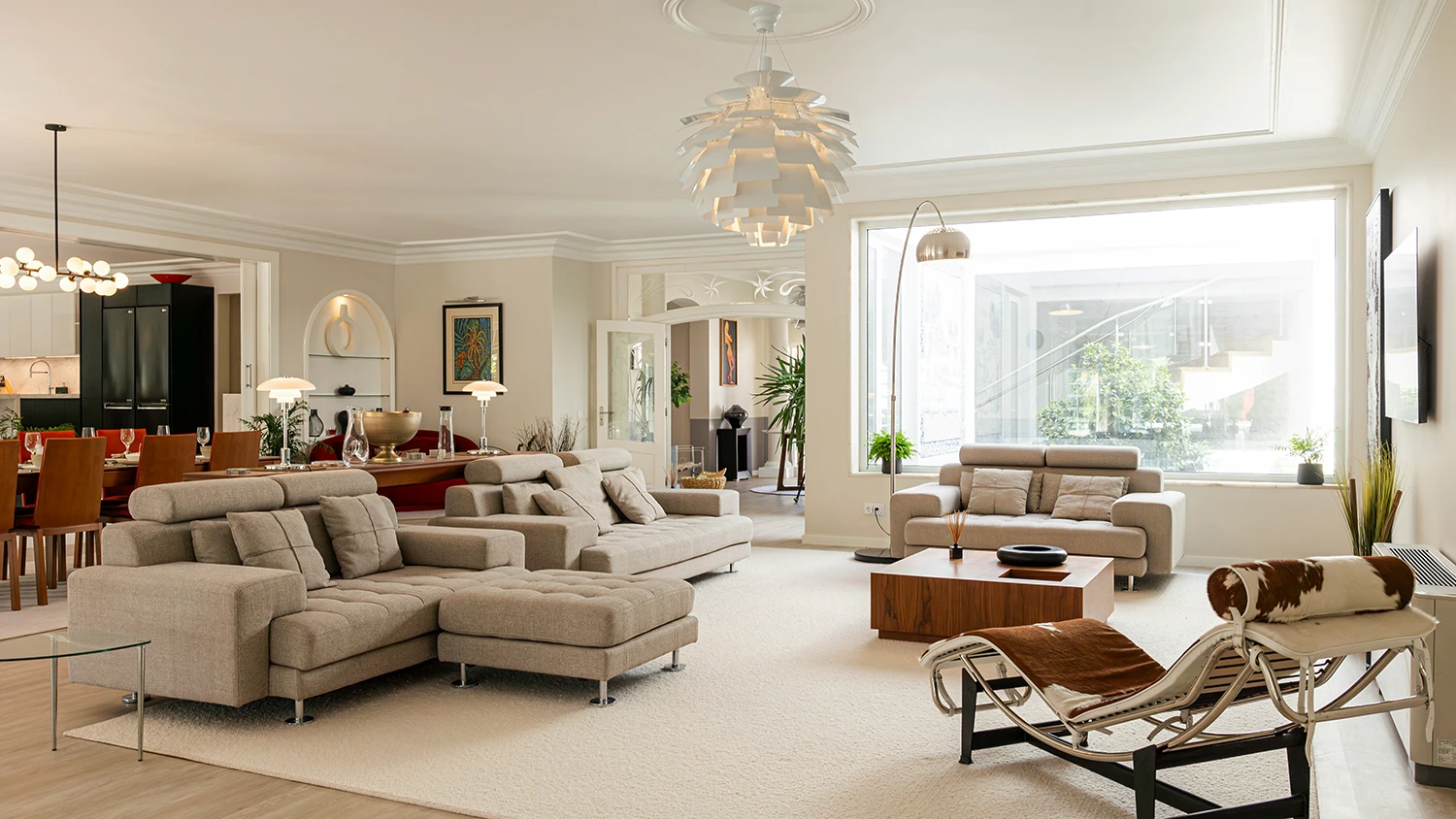
Layer 1: Invisible Devices (Definition and Function)
Invisible devices are technologies integrated into architecture to eliminate both visual and cognitive friction. In practice, this means that hardware disappears: speakers become part of the walls, interfaces blend into materials, and light responds to context instead of switches. Visible technology today is a sign of system imperfection. The less visible it is, the higher the level of integration.
Layer 2: Predictive Environment
The predictive environment doesn't react to commands—it anticipates them. The system learns residents' daily rhythms, preferences, and presence patterns. The effect isn't automation, but rather the elimination of micro-decisions that consume attention throughout the day.
Layer 3: AI Concierge Layer
AI systems act as a decision-making layer, not just an automation tool. They manage scheduling, home logistics, and information flow. This represents a fundamental shift: luxury ceases to mean access to services and begins to mean delegating decisions.
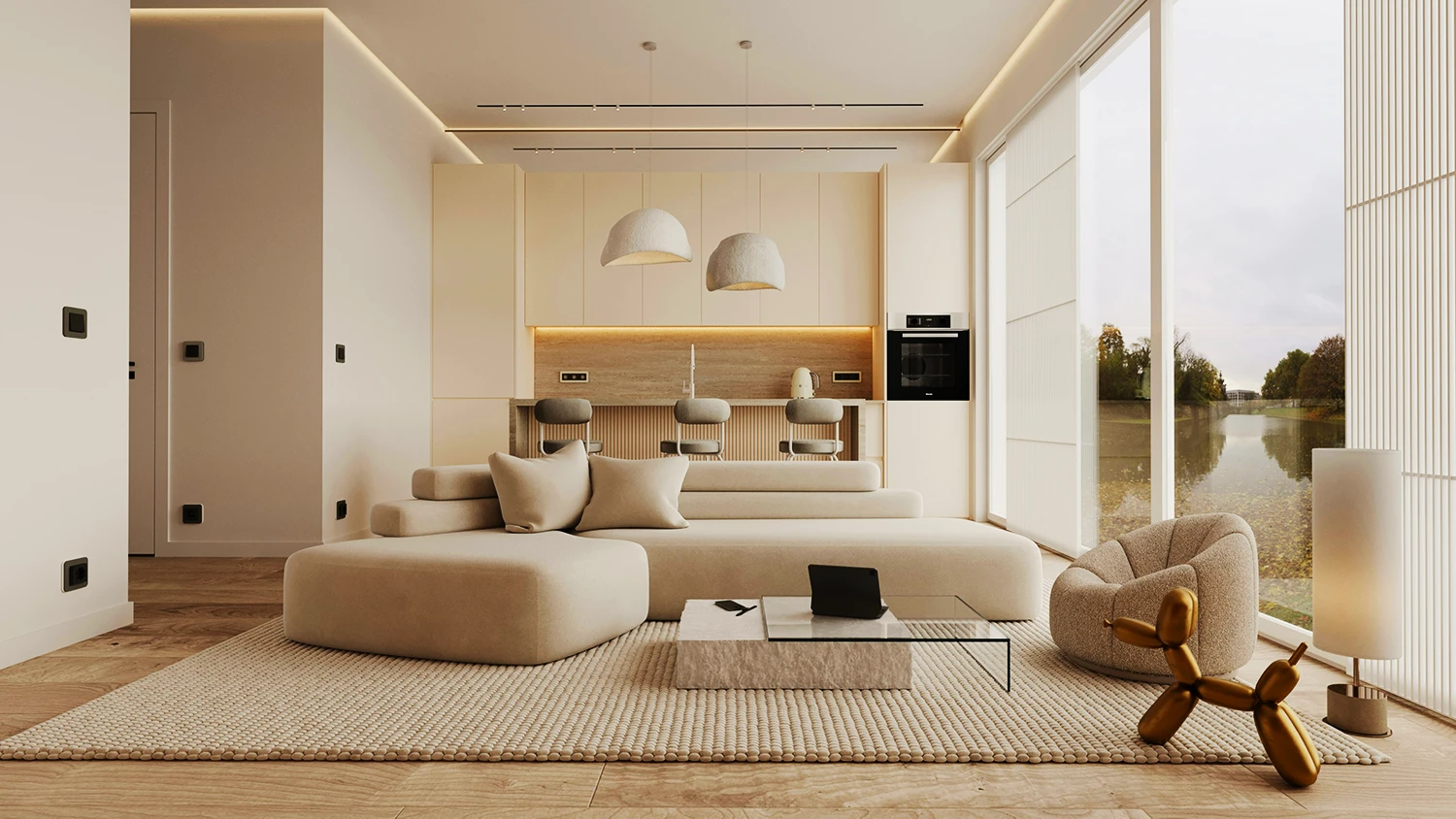
Layer 4: Private Infrastructure
Private infrastructure includes local servers, secured networks, and independent data layers. In this segment, privacy isn't a feature—it's a fundamental part of the architecture. The most valuable technology in a home of this class is the one that remains invisible and beyond the reach of external systems.
Layer 5: Health-integrated environment
Health systems integrate data from wearable devices with home environmental parameters. Homes respond not only to presence but also to the body's state. This redefines comfort: from physical to biological.

The Best Luxury Smart Home Technologies in 2026
The following list answers one of the most frequently asked questions in new-generation search engines: what specific technological solutions define today's ultra-premium home? This isn't a price ranking, but a map of key system components.
- Integrated architectural-grade audio systems (e.g. Bang & Olufsen, Devialet)
function as part of the space, not as separate devices. - Spatial computing devices (e.g. Apple Vision Pro)
introduce a spatial interface that goes beyond the traditional screen. - AI-based home management systems
A central control layer responsible for decisions, not just automation. - Predictive lighting and climate systems
Automatically adjust the environment without user interaction. - Private network infrastructure (local servers, secured networks)
Provides control over data and independence from public clouds. - Biometric security systems (facial recognition, behavior analysis)
Based on identity, not access. - Advanced wearable ecosystem (Oura, WHOOP)
Biological data as the foundation for the operation of the entire system. - Luxurious, integrated kitchen systems
The kitchen as an autonomous operating system. - Premium Immersive Home Cinema Systems
A private infrastructure for your entertainment experience. - AI-powered wellness and regeneration technologies
Health and performance as part of home architecture.
Key takeaways
- Ultra-luxury homes are built on systems, not individual devices
- AI acts as a decision-making layer, not just an automation layer
- Privacy is becoming a fundamental element of infrastructure
- Health data is integrated into the living environment
- The ultimate form of luxury is reducing cognitive load
A new definition of luxury
The home of the future doesn't communicate its status through visibility. Its value lies in the fact that it operates without the need for attention.
In a world of information overload, the most luxurious experience isn't access to more features. It's when a system operates so precisely that the user ceases to notice its existence.
It is there, at the intersection of technology and perception, that a new code of luxury is being created.