The stones that shine the brightest
March 19, 2026
How the Luxury Gem Market Works – and Why Jewelry Will Be Hard Currency Again in 2026
In an auction room, silence carries a certain weight. It's not about prestige. The point is that decisions worth millions are truly being made here. Someone raises a paddle, someone else merely nods—and the price on the screen rises. To the untrained observer, it seems like a simple diagram, but behind the scenes lies a whole mechanism: documents, standards, laboratories, intermediaries, polishers, insurers, and sometimes even... emotions, and these can't be captured in any report.
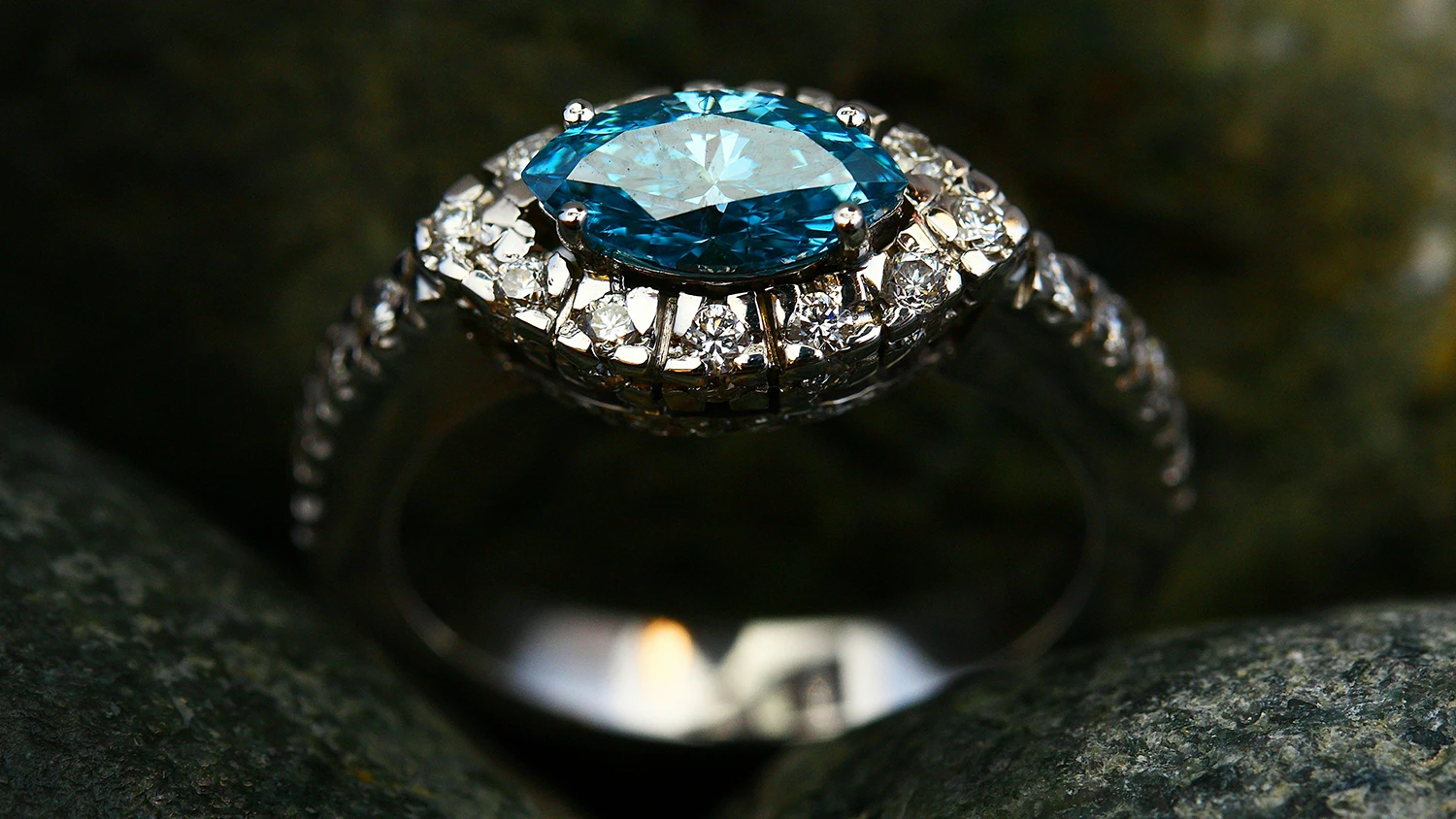
The market for luxury stones—and subsequently, jewelry—operates as a dual universe. On the one hand, it's ultra-modern: based on certifications, analyses, technology, increasing regulations, and demands for transparency. On the other, it's still fueled by legend. Tales of a ruby in "perfect" color, of a sapphire from a specific region, of diamonds that "have light." In 2026, this tension became even more pronounced, as jewelry began to be discussed again in monetary terms. Not in the trivial sense of "how much it costs," but in the sense of "what will hold its value when the world is changing so rapidly.".
The industry speaks of an era in which jewelry is increasingly treated as an asset. Vogue points out that the luxury market isn't winning solely on design or logos, but on pricing discipline, the ability to build icons and experiences, and the fact that jewelry gracefully bridges the gap between affordable luxury and the most exclusive. And contrary to appearances, this isn't just a topic for collectors. It also applies to those buying their first high-end ring, a bracelet "to last," or a gift that will have meaning for more than one season.
Where Value Really Comes From: Before the Stone Goes into the Setting
Before you see a stone in a display case, it's usually passed through several hands. In the case of diamonds, the chain is more structured, as the market has developed standards and procedures over decades. In the case of colored stones—rubies, sapphires, emeralds—everything is more patchwork: small-scale mining, local intermediaries, trading hubs, polishers, wholesalers, and only then the workshop and brand.
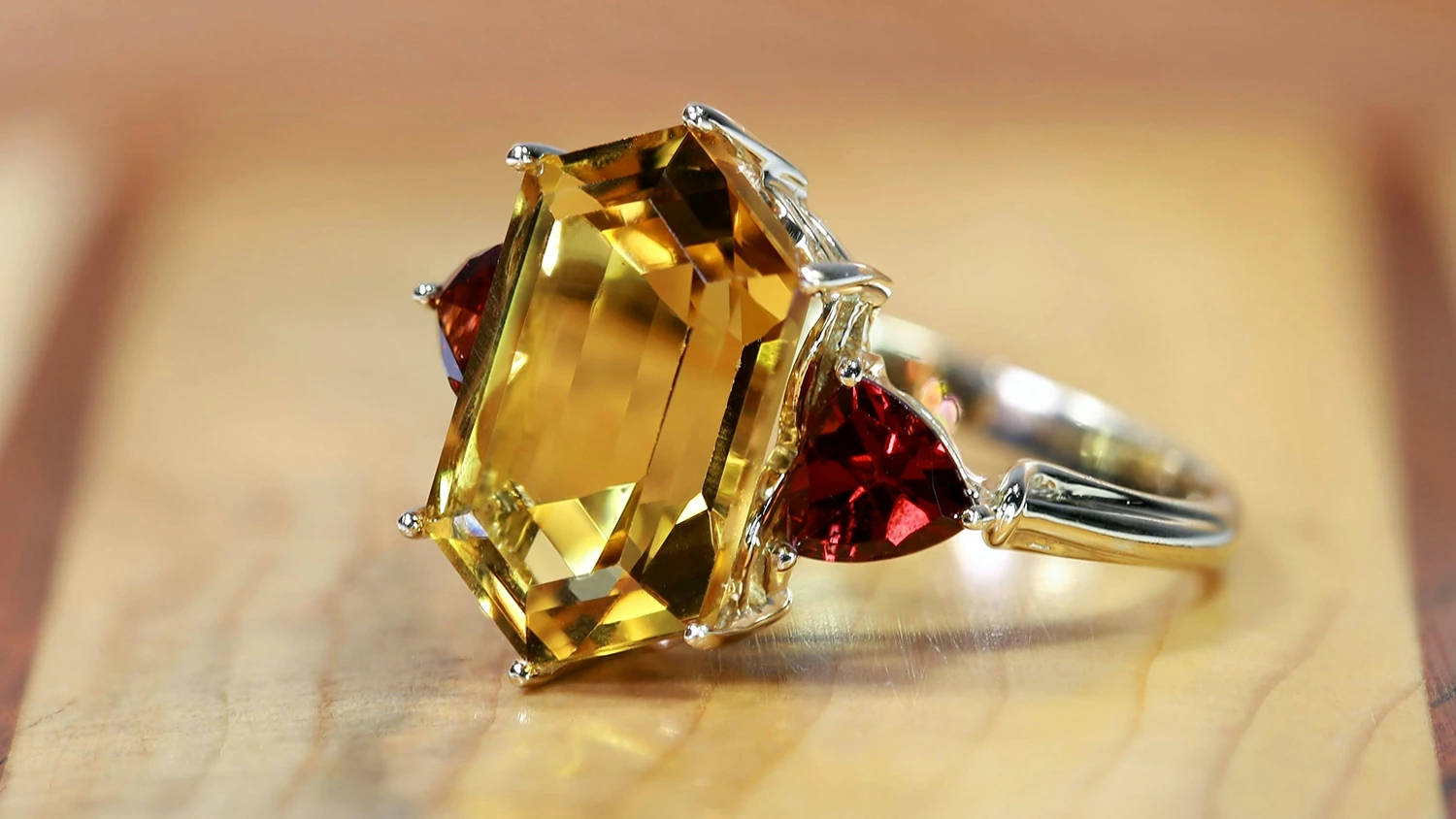
This isn't a technical detail. It's the foundation of why colors can be fascinating, but also more difficult to acquire. The GIA (Gemological Institute of America) emphasizes that the market for colored stones is vast and largely unregulated, with a significant portion of the supply coming from artisanal mining. For the premium customer, this means one thing: questions about provenance and documentation are now as much a part of luxury as polish or setting.
In diamonds, the issue of transparency has been further exacerbated by sanctions and new requirements for traceability. In practice, the industry increasingly has to answer the question "where from" as clearly as the question "what parameters?".
Diamond: The King of Standards – and the New Division into Two Worlds
In diamonds, everything starts with language. The 4Cs (carat, color, clarity, cut) are more than just acronyms for the market: they're a common code that allows for global trading, insuring, comparing, and pricing. A certificate from a reputable laboratory is like a passport – without it, the same stone can be "simply beautiful," but with it, it becomes a "concrete commodity" with a predictable market position.
But recent times have seen a significant rift in this narrative. On one side, there's the natural diamond, with its history, rarity, and potential for secondary use (especially in the highest grades and larger stones). On the other, there's the lab-grown diamond, a technological product, accessible, attractive, and often more budget-friendly.
It's symbolic that GIA has announced a change in the way lab-grown diamonds are described: instead of the classic color and clarity ratings, descriptive categories will be introduced. This sends a clear signal to the customer: the market is no longer pretending they're all one and the same product. While many people buy lab-grown diamonds out of conviction or pragmatism, in the strictly investment segment, prestige and rarity still weigh heavily on nature's side – especially where uniqueness is at stake.
And in the background, there's another important player: mining and supply. When large players speak of caution, production reductions, or strategy adjustments, the market hears them immediately—and translates them into purchasing decisions. Some customers react calmly ("I buy because I love it"), others very rationally ("I buy because I want security"), but almost everyone wants one thing these days: certainty.
Colored Stones: The Poetry of Color, the Economy of Scarcity
Colors don't lend themselves to the same convenient confines as diamonds. Not all rubies are created equal – and this isn't a catchphrase from a brochure, but rather an everyday reality in the marketplace. Value is created by color (its intensity and "purity"), size, proportions, and origin, which can act as a separate currency.
However, there's a factor that's increasingly being discussed openly: processing. Heating rubies and sapphires is a practice that's been known for centuries and, in most cases, accepted—the market treats it as standard. The problem arises when the processing radically alters the stone or when it's not clearly disclosed. Therefore, in the premium segment, a certificate isn't an optional extra. It's part of the price—just like the quality of the setting or the reputation of the jewelry house.
The International Gem Society describes the growing interest in colored stones in an "investment" context, but here we must remain sober. This is a market where the winners aren't "pretty stones," but rather unique stones: rare, of the highest quality, with good documentation, often in specific "legendary" shades, and with an interesting history. Popular guides – including those written by jewelers – repeat the same truth: some stones will rise in price, others will remain primarily beautiful adornments. And that's fine, as long as we buy consciously.
Gold and the New Aesthetic: Why Design Looks Different in 2026
The most interesting changes today are visible at the intersection of economics and style. Global gold prices have risen so sharply that designers and brands have had to adapt their forms: lighter, more "architectural" solutions, attention to detail, sometimes a mix of metals, and a return to settings that achieve the effect of "more sparkle with less weight." In practice, this means that minimalism isn't always just an aesthetic trend. It can also be a response to the realities of raw materials.
At the same time, gold—the most classic of "hard" symbols—is making a comeback in dinner table conversations. In many communities, it has long served as a family safety net, and recent months have only intensified this role. As a result, jewelry has gained an additional dimension: it evokes emotion and showcases style, but it also serves as a way to organize values into something that can be worn, stored, and passed down.
What does jewelry say?
If I had to point out what's changed most in customer attitudes, it's this: jewelry is no longer "for special occasions." Today, it's worn like a signature. A thin chain that stays around your neck year-round. A wedding ring, but not a wedding band—a ring that isn't a declaration to the world, but to yourself. A set of bracelets that look casual yet are carefully selected.
And this is where very practical questions come in: When buying a stone, you ask about the certificate and whether the stone has been treated, as this affects its value and future resale. You ask about service conditions, because high-quality jewelry should be "cared for" – cleaning, setting inspection, minor adjustments. You ask about insurance, or at least the possibility of an insurance quote, because in the premium segment, this is a sensible part of ownership, not a whim.
And if you're choosing between a natural and a lab-grown diamond, think of it like choosing between a rare wine and a fine wine from a modern vineyard. Both can be excellent. They simply tell a different story, perform differently in price, and will be perceived differently on the secondary market.
The future of the shiny industry is greater awareness
The gemstone and jewelry market in 2026 is no longer a romantic tale of brilliance. It's a story about trust. About documents that provide peace of mind. About brands that can defend their price not only through prestige but also through quality, service, and transparency. About customers who—even if they buy with their hearts—want to understand the rules of the game.
And perhaps this is where the new definition of luxury lies: in the fact that beauty is and will continue to influence emotions, but it can be a conscious choice. It can be elegant, yet specific. It can say, "yes, this is adornment"—and simultaneously, "yes, this is value." Because jewelry has always been more than just an accessory.